

Best Commercial Gym Equipment For Small Studio Startup
Starting a Gym Studio: Your Complete Equipment & Operations Checklist
You have the passion. You have the drive. But do you have a plan?
Opening a small studio gym is different from launching a big-box franchise. Your margins are tighter. Your space is smaller. Every equipment dollar has to work harder.
Here is your step-by-step checklist for going from zero to open. No fluff. Just what works.
Phase 1: Site Selection
Location is the single biggest factor in your first-year survival. A bad lease kills more studios than bad programming ever will.
Traffic and Visibility
Look for retail space with high foot traffic. Strip malls near grocery stores work. Industrial parks do not, unless you have a built-in audience.
Aim for spaces between 1,500 and 3,000 square feet. That size forces you to be smart about layout and keeps rent predictable.
Zoning and Permits
Check local zoning before you sign anything. Some areas require special permits for fitness businesses. A 30-day delay on permits can burn through your startup cash fast.
Ceiling Height
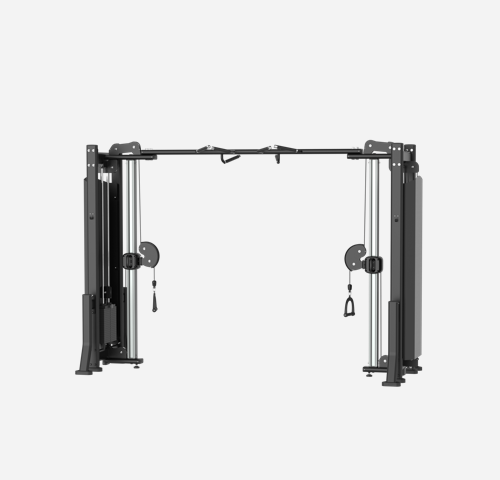
You need at least 10-foot ceilings for most commercial equipment. Cable machines like the XHA005 Cable Crossover
Phase 2: Budgeting Realistically
Most first-time owners underestimate startup costs by at least 30%. Here is a realistic breakdown for a 2,000-square-foot studio.
- Lease deposit and first month: $3,000 to $8,000
- Build-out and flooring: $5,000 to $15,000
- Equipment package: $20,000 to $50,000
- Software and billing systems: $500 to $2,000
- Marketing launch: $2,000 to $5,000
- Working capital (3 months): $10,000 to $20,000
Keep a cushion of at least 20% above your estimates. Things break. Suppliers ship late. Memberships take time to ramp.
Phase 3: Equipment Procurement
This is where most beginners make costly mistakes. Buying cheap residential equipment is a fast track to repair bills. Buying too much commercial equipment drains your bank account.
You need to strike the right balance. Work with a supplier like MBH that offers ex-factory prices on commercial-grade gear. MBH is a Chinese top commercial equipment fitness brand with over 380,000 square meters of manufacturing space. Their gear is built for high-volume use at cost-effective prices.
Your Core Strength Package (8 to 10 stations)
For a small studio, prioritize versatility. Selectorized machines are easier for new members to use and require less supervision.
Start with these plate-loaded and selectorized staples:
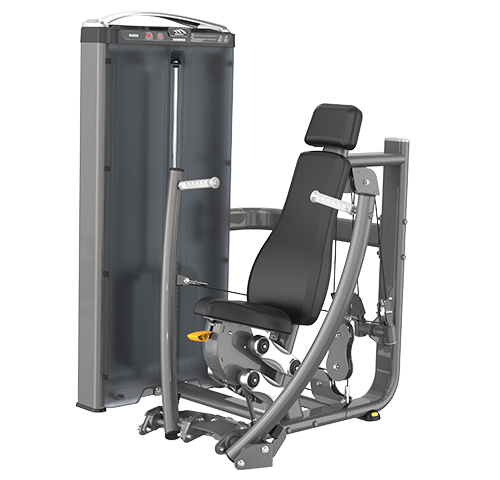
- MEL-001 Chest Press- covers chest and shoulders
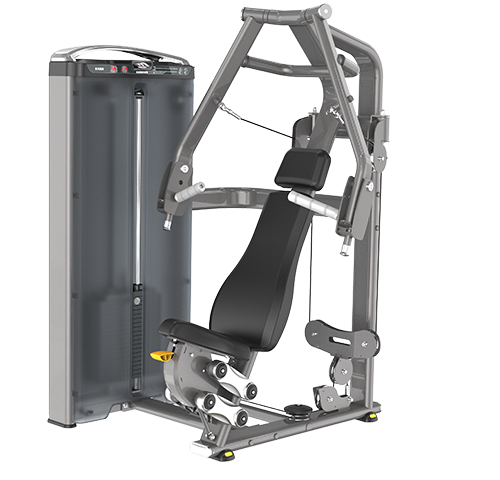
- MEL-001A Chest Press- another chest option for circuit flow
- MEL-012 Lat Pull Down - essential for back development
- MEL-014 Leg Extension - must-have for leg training
- MEL-013A Horizontal Leg Curl - paired with extensions for leg circuits
- MEL-004 Seated Row - hits the mid-back
- MEL-003 Shoulder Press - overhead pressing for shoulders
- MEL-010 Abdominal Crunch - finishes every circuit
That gives you eight stations that cover every major muscle group. Add a ZH-005 Cable Crossover for functional training and your strength floor is complete.
Free Weights (Low Cost, High Value)
Free weights are the most cost-effective equipment you can buy. They never break. Members love them.
Get these basics:
- XHA-030 Dumbbell Rack with pairs from 5 to 75 lbs
- XHA-036 Flat Bench - two minimum
- XHA-037 Adjustable Bench - at least two
- XHA-039 Barbell Rack with Olympic bars and plates
- XHA-041 Weight Plate Tree for organized storage
This free weight setup gives you unlimited programming options. Bench press, rows, overhead press, squats, deadlifts. You can run an entire gym on these alone.
Cardio (3 to 4 Units)
Cardio machines take space. You do not need a full row. Pick two treadmills and one bike or elliptical.
Consider the M005-LED Commercial Treadmill for reliable performance. Add one M-7808R Upright Bike for low-impact options. That is enough for a small studio with class-based programming.
Specialty Equipment (Add Later)
Do not buy everything at once. Start with the core machines and add specialty equipment as your revenue grows.
Items like the MEL-008 Assisted Chin/Dip, MEL-006 Biceps Curl, and MEL-015 Leg Press can fill gaps in your second year.
Phase 4: Staffing for a Small Studio
You do not need a big team. You need the right team.
Your First Hire
Hire a part-time trainer who can also handle front desk duties. Look for someone with at least two years of coaching experience and basic sales skills.
Pay a base hourly rate plus commission on personal training sessions. That keeps your fixed costs low.
Your Role as Owner
Plan to work the desk yourself for the first six months. You handle tours, onboarding, and member retention. That saves you $20,000 to $30,000 in salary your first year.
Phase 5: Operations and Launch
Systems matter more than equipment. A well-run studio with average gear beats a messy studio with premium machines every time.
Software Stack
Invest in a good gym management system. You need automated billing, class scheduling, and member check-in. Budget $100 to $200 per month for software.
Cleaning Protocols
Commercial equipment takes abuse. Wipe down machines after each use. Schedule deep cleaning weekly. Equipment like the XHA-023A Weight Bench (Premium) uses durable upholstery that holds up better in high-traffic environments.
Pricing Strategy
Do not compete on price alone. You will lose to big-box gyms. Instead, focus on community and coaching.
Charge $60 to $100 per month for unlimited access. Offer personal training at $40 to $60 per session. Package training sessions to increase average revenue per member.
Marketing on Day One
Start building your email list three months before you open. Offer a pre-sale membership at 50% off the first month. That gets cash in the door and creates buzz.
Run Instagram ads targeting your local zip code. Show the space under construction. Build anticipation.
Your 90-Day Launch Timeline
- Days 1-30: Find space, sign lease, order equipment
- Days 31-60: Build-out, equipment delivery, staff hiring
- Days 61-75: Equipment assembly, test runs, soft launch to friends
- Days 76-90: Marketing push, pre-sales, grand opening
Stick to this timeline. Do not rush the build-out. Do not delay the marketing.
Starting a gym studio is a grind. But with the right location, a smart equipment package from MBH, and disciplined operations, you can build a profitable business that serves your community for years.
You have everything you need. Now go make it happen.