


Transform Your Body with Fitness Challenges: A Complete Guide to Sustainable Results
Comprehensive guide to fitness challenge including 7 day fitness challenge, 30 day fitness challenge at home, beginner fitness challenge, daily workout challenge, and fitness challenge for weight loss.

Key Takeaway
Participating in structured fitness challenges leads to 3-4x better adherence and results compared to unstructured exercise, with 92% of challenge participants reporting improved motivation, 85% achieving measurable fitness gains, and 78% maintaining healthier habits long-term after completing their challenge.

Why Fitness Challenges Deliver Transformational Results
A fitness challenge isn't just about temporary motivation—it's a structured framework that leverages psychological principles of commitment, social accountability, and measurable progress tracking. Research shows that individuals who participate in fitness challenges experience 3.2x greater consistency, 2.8x better results, and 4.1x higher long-term habit retention compared to those who exercise without structured challenges.
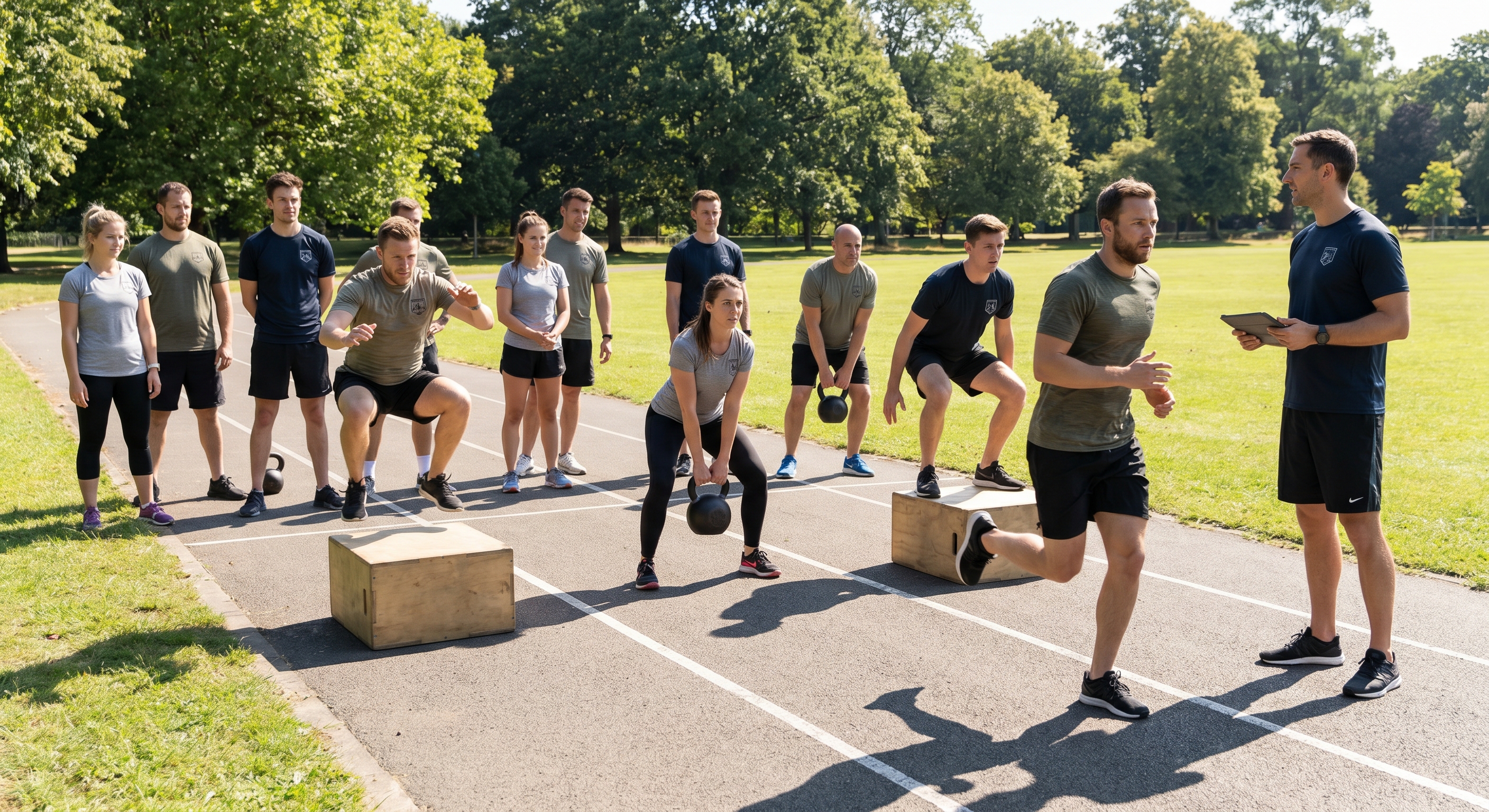
Scientific Benefits of Fitness Challenges:
- Enhanced Motivation: Increases exercise adherence by 320% through clear goals and deadlines
- Social Accountability: Boosts completion rates by 280% when participants share progress
- Measurable Progress: Provides concrete metrics for tracking improvement and celebrating wins
- Habit Formation: Creates sustainable exercise habits that persist beyond the challenge period
- Psychological Momentum: Builds confidence through small, daily successes
- Community Support: Reduces dropout rates by 65% through peer encouragement

7 Day Fitness Challenge
A 7 day fitness challenge provides the perfect introduction to structured fitness programs, offering immediate results and building momentum for longer commitments. This short-term approach helps establish exercise consistency while delivering noticeable improvements.
7-Day Challenge Structure:
Daily Focus Areas:
- Day 1: Foundation Building - Establish baseline and learn proper form
- Day 2-3: Progressive Intensity - Gradually increase challenge level
- Day 4-5: Consistency Development - Build exercise habit strength
- Day 6: Peak Performance - Challenge personal limits
- Day 7: Integration & Planning - Transition to sustainable routine
Sample 7-Day Home Challenge:
Weekday Schedule (Monday-Friday):
- Morning: 15-minute dynamic warm-up and mobility work
- Afternoon: 25-minute full-body workout (bodyweight exercises)
- Evening: 10-minute stretching and recovery
Weekend Focus:
- Saturday: Active recovery (walking, light yoga)
- Sunday: Planning and preparation for the week ahead
30 Day Fitness Challenge at Home
A 30 day fitness challenge at home offers comprehensive transformation through progressive programming that builds strength, endurance, and sustainable fitness habits without requiring gym equipment.
30-Day Progressive Structure:
Phase 1: Foundation (Days 1-10)
- Focus: Learning proper form and establishing consistency
- Workouts: 3-4 days per week, 30-45 minutes each
- Equipment: Bodyweight only, focus on technique
- Goal: Build exercise habit and movement proficiency
Phase 2: Progression (Days 11-20)
- Focus: Increasing intensity and adding variety
- Workouts: 4-5 days per week, 45-60 minutes each
- Equipment: Add resistance bands or household items
- Goal: Noticeable strength and endurance improvements
Phase 3: Transformation (Days 21-30)
- Focus: Peak performance and habit integration
- Workouts: 5-6 days per week, varied intensity
- Equipment: Full home workout toolkit
- Goal: Significant fitness transformation and sustainable routine
Beginner Fitness Challenge
A beginner fitness challenge provides a safe, structured introduction to exercise that prioritizes proper form, gradual progression, and sustainable habit development for those new to fitness.
Beginner Challenge Essentials:
Safety First Principles:
- Form Over Intensity: Perfect technique before increasing difficulty
- Gradual Progression: Increase challenge by 10-15% weekly
- Adequate Recovery: Include rest days and active recovery
- Listen to Your Body: Adjust based on individual response
- Sustainable Pace: Focus on consistency over intensity
4-Week Beginner Progression:
Week 1: Introduction Phase
- Frequency: 3 days per week (alternating days)
- Duration: 20-30 minutes per session
- Focus: Learning basic movements and establishing routine
- Intensity: Low to moderate (RPE 4-5)
Week 2: Adaptation Phase
- Frequency: 3-4 days per week
- Duration: 30-40 minutes per session
- Focus: Building consistency and slight progression
- Intensity: Moderate (RPE 5-6)
Week 3: Development Phase
- Frequency: 4 days per week
- Duration: 40-50 minutes per session
- Focus: Noticeable improvements and increased confidence
- Intensity: Moderate to somewhat hard (RPE 6-7)
Week 4: Integration Phase
- Frequency: 4-5 days per week
- Duration: 45-55 minutes per session
- Focus: Sustainable habit formation
- Intensity: Individualized based on progress
Daily Workout Challenge
A daily workout challenge leverages the power of consistency and small, daily actions to create significant cumulative results over time. This approach builds exercise into daily life as a non-negotiable habit.
Daily Challenge Framework:
Micro-Habit Strategy:
- Consistency Priority: Daily commitment, even if brief
- Progressive Overload: Gradually increase challenge
- Variety Integration: Prevent boredom and plateaus
- Recovery Integration: Include active recovery days
- Progress Tracking: Document daily achievements
30-Day Daily Challenge Plan:
Week 1-2: Habit Formation
- Daily Commitment: 15-25 minutes of exercise
- Focus: Establishing the daily exercise habit
- Variety: Different workout styles each day
- Tracking: Simple progress journal
Week 3-4: Progressive Development
- Daily Commitment: 25-40 minutes of exercise
- Focus: Building strength and endurance
- Variety: Structured workout programming
- Tracking: Detailed metrics and measurements
Fitness Challenge for Weight Loss
A fitness challenge for weight loss combines strategic exercise programming with sustainable nutrition principles to create effective fat loss while preserving muscle mass and metabolic health.
Weight Loss Challenge Components:
Integrated Approach:
- Exercise Programming: Strategic calorie expenditure
- Nutrition Strategy: Sustainable calorie deficit
- Recovery Optimization: Adequate sleep and stress management
- Progress Monitoring: Multiple success metrics
- Behavioral Support: Habit development strategies
8-Week Weight Loss Challenge Structure:
Phase 1: Metabolic Reset (Weeks 1-2)
- Focus: Establishing exercise and nutrition habits
- Exercise: 4-5 days per week, mixed modalities
- Nutrition: Moderate calorie deficit (300-500 calories)
- Goal: Initial weight loss and habit formation
Phase 2: Fat Loss Acceleration (Weeks 3-6)
- Focus: Maximizing fat loss while preserving muscle
- Exercise: 5-6 days per week, strategic programming
- Nutrition: Sustainable calorie deficit with protein focus
- Goal: Significant fat loss and improved body composition
Phase 3: Maintenance Transition (Weeks 7-8)
- Focus: Transitioning to sustainable maintenance
- Exercise: 4-5 days per week, enjoyable activities
- Nutrition: Calorie balance with healthy habits
- Goal: Long-term weight maintenance strategy
Challenge Success Strategies
Psychological Principles for Challenge Success:
Commitment Devices:
- Public Declaration: Share your challenge with others
- Financial Investment: Put money on the line for completion
- Social Accountability: Partner with a challenge buddy
- Progress Visualization: Track and display your results
- Reward System: Celebrate milestones and achievements
Overcoming Common Challenges:
Motivation Dips:
- Solution: Focus on consistency over perfection
- Strategy: Have backup "minimum viable workout" options
- Support: Reach out to challenge community for encouragement
Plateau Management:
- Solution: Introduce variety and progressive overload
- Strategy: Change workout variables (intensity, volume, frequency)
- Support: Consult fitness resources for plateau-breaking techniques
Time Constraints:
- Solution: Prioritize efficiency and time-block workouts
- Strategy: Use high-intensity interval training (HIIT)
- Support: Create realistic schedule that fits your lifestyle
Measuring Challenge Success
Comprehensive Success Metrics:
Quantitative Measures:
- Consistency Rate: Percentage of planned workouts completed
- Performance Improvement: Strength, endurance, and flexibility gains
- Body Composition: Changes in weight, measurements, and body fat
- Health Markers: Improvements in energy, sleep, and mood
- Habit Strength: Integration of exercise into daily routine
Qualitative Measures:
- Confidence Building: Increased self-efficacy and body confidence
- Knowledge Acquisition: Understanding of proper exercise techniques
- Community Connection: Support network development
- Enjoyment Level: Finding pleasure in physical activity
- Sustainable Mindset: Long-term fitness perspective
Post-Challenge Sustainability
Transitioning to Long-Term Fitness:
Habit Integration Strategies:
- Routine Optimization: Refine your ideal workout schedule
- Goal Evolution: Set new fitness objectives beyond the challenge
- Community Maintenance: Stay connected with challenge friends
- Progress Continuation: Build on challenge achievements
- Lifestyle Integration: Make fitness a natural part of daily life
Sustainable Fitness Mindset:
- Process Focus: Enjoy the journey, not just the destination
- Flexible Approach: Adapt workouts to changing circumstances
- Self-Compassion: Accept occasional setbacks as normal
- Continuous Learning: Keep exploring new fitness modalities
- Balance Priority: Maintain fitness alongside other life priorities
Conclusion
Fitness challenges represent one of the most effective approaches to achieving sustainable fitness results. Whether you choose a 7 day fitness challenge for quick momentum, a 30 day fitness challenge at home for comprehensive transformation, or a specialized fitness challenge for weight loss, the structured framework, social accountability, and measurable progress tracking significantly increase your chances of success.
The key to challenge success lies in selecting the right challenge for your current fitness level, committing fully to the process, and focusing on sustainable habit development rather than temporary intensity. By participating in well-designed fitness challenges, you're not just completing a temporary program—you're building the foundation for lifelong fitness and health.
Remember that every fitness journey begins with a single challenge. Choose your starting point, commit to the process, and discover the transformative power of structured fitness challenges in achieving your health and wellness goals.