

Home Gym Layout For Small Space
How to Layout a Home Gym in a Small Space Without Sacrificing Function
You have 300 square feet. Or maybe only 150. Your client wants a gym that delivers commercial-grade results without the commercial footprint. That's the challenge we solve daily at MBH.
The secret isn't cramming more equipment in. It's strategic zoning, smart equipment choices, and understanding that density doesn't mean chaos. Let's break down how to configure a small-space home gym that actually works.
Start With Space Calculations
Before you buy anything, measure everything. Not just the room dimensions. Measure door widths, ceiling height, and clearance around potential equipment locations.
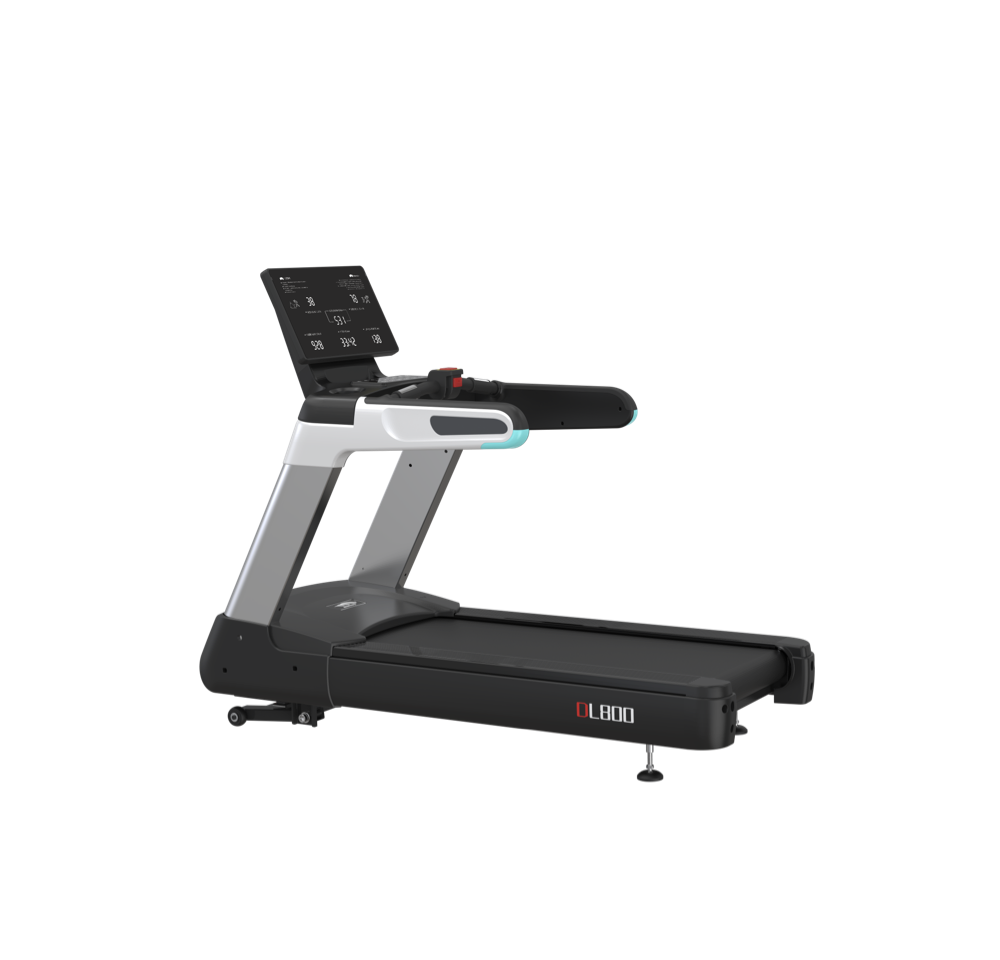
Here's a practical rule: each piece of strength equipment needs at least 3 feet of clearance on all sides for safe operation. For cardio machines like treadmills, you need 6-7 feet of clearance behind and in front.
Minimum Space Requirements by Equipment Type
- Treadmill: 70-80 sq ft (including clearance)
- Multi-station strength unit: 50-70 sq ft
- Adjustable bench + dumbbell area: 40-50 sq ft
- Single selectorized machine: 25-35 sq ft
- Smith machine: 50-60 sq ft
Add these up. If you're over your total square footage, you need to make cuts or choose combo machines.
Zone Your Small Gym Space
Divide the room into three zones. This prevents equipment from bleeding into each other and keeps traffic flowing.
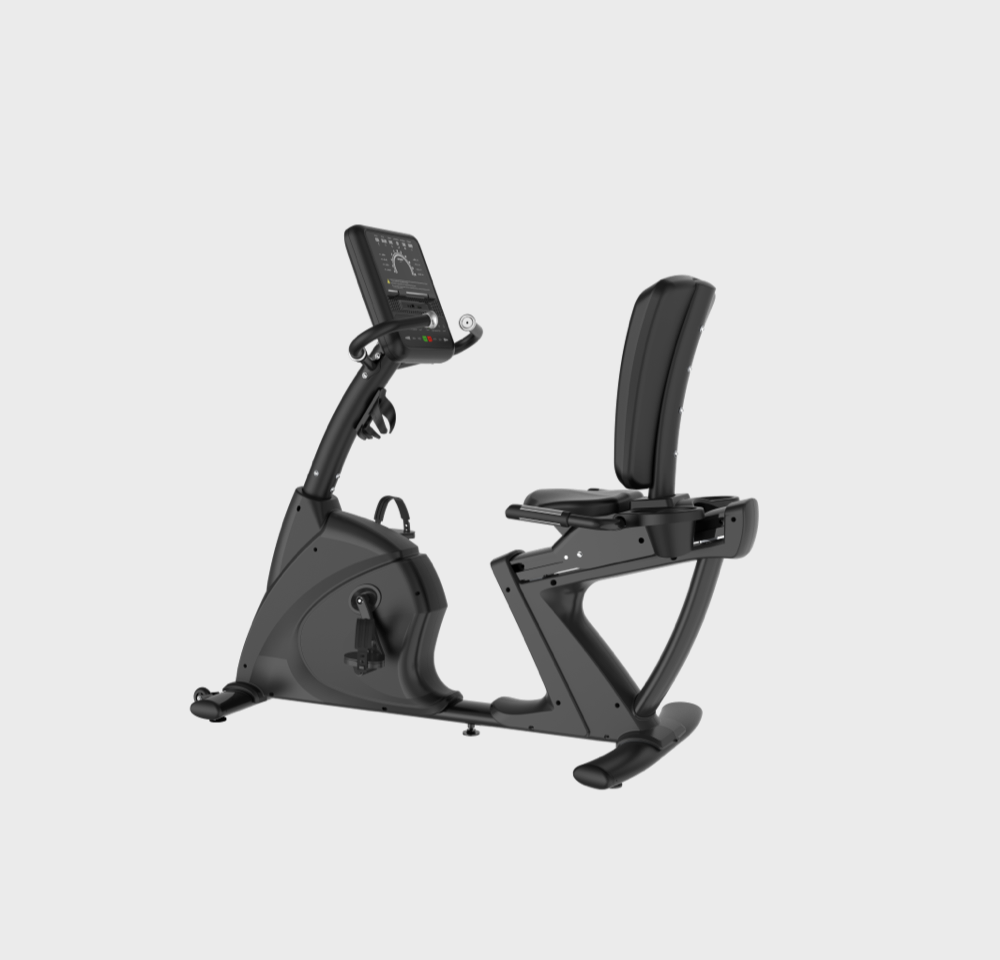
Zone 1: Cardio
Place cardio machines near the door or along one wall. M005-LED Commercial Treadmill

Zone 2: Strength Machines
This is your core training area. In a small space, prioritize selectorized machines over plate-loaded. They're more compact and don't require storing loose plates nearby.
The MEL-001 Chest Press and MEL-012 Lat Pull Down are excellent choices for a compact strength circuit. They deliver commercial-grade resistance in a footprint that works for a home gym.
Position machines back-to-back where possible. This reduces the total floor space needed. For example, place a MEL-004 Seated Row facing opposite a MEL-003 Shoulder Press. Users share the same footprint while working different muscle groups.
Zone 3: Free Weights and Accessories
This zone needs the most flexibility. Use a XHA-023A Weight Bench (Premium) as your anchor piece. It's versatile and folds into small spaces when not in use.
Pair it with a XHA-030 Dumbbell Rack for a complete free-weight station. Keep the dumbbell rack against a wall to preserve floor space.
Equipment Density: How Much Can You Fit?
Here's a density guideline we use for home gym layouts:
- Under 150 sq ft: 3-4 pieces max. Focus on multi-functional equipment.
- 150-250 sq ft: 5-7 pieces. You can include a cardio machine, 2-3 strength machines, and a free weight area.
- 250-400 sq ft: 8-12 pieces. This allows for a full circuit including specialty machines.
Don't try to replicate a commercial gym in a small space. It won't work. Curate your equipment list based on what your client actually trains.
The 70% Rule
Only use 70% of your total square footage for equipment footprint. The remaining 30% is for movement, stretching, and transitions. Break this rule, and your gym feels like a storage closet.
Multi-Functional Machines Save Your Layout
Combo machines are your best friend in small spaces. The XHA005 Cable Crossover gives you cable work, functional training, and chest work in one unit. It replaces three separate machines.
Another top pick: the PL-08 Multi-functional Smith Machine. It combines a smith machine, squat rack, and cable station. That's three stations in the footprint of one.
Matching Equipment to Your Clientele
Who's training in this space? It changes everything.
For Athletes and Performance Clients
Prioritize a ZH-021 Squat Rack with an adjustable bench like the ZH-037 Multi Adjustable Bench. Add a XHA-006A Hip Thrust for lower body work. This setup covers compound lifts without wasting space on isolation machines.
For General Fitness and Rehab Clients
Go with selectorized machines. The MEL-010 Abdominal Crunch and MEL-009 Lower Back target core safely. Add a MEL-013A Horizontal Leg Curl for leg work. These machines are accessible for beginners and offer controlled movement patterns.
For High-End Residential Gym Clients
These clients want aesthetics and quiet operation. The MTMS-001 Chest Press line offers sleek design that blends into home interiors. Pair it with a ZH-005A Functional Trainer for cable work. Add a premium treadmill like the M9900 Commercial Treadmill to round out the package.
Budget Allocation by Zone
For a small home gym, here's how we recommend splitting the budget:
- Cardio equipment: 25-30% of total budget
- Strength machines: 40-45%
- Free weights and racks: 20-25%
- Flooring and accessories: 5-10%
Don't cheap out on flooring. A good rubber mat protects your subfloor and dampens noise. It also prevents equipment from sliding. Budget at least $2-3 per square foot for 3/8-inch rubber mats.
Layout Examples by Space Size
150 sq ft Layout (Compact but Functional)
- M005-LED Commercial Treadmill - 1 unit
- MEL-012 Lat Pull Down - 1 unit
- XHA-023A Weight Bench (Premium) + XHA-030 Dumbbell Rack
- Rubber flooring, wall mirror
Total equipment footprint: ~100 sq ft. Clearance and movement: ~50 sq ft.
300 sq ft Layout (Full Circuit)
- M9900 Commercial Treadmill - 1 unit
- M-7808R Upright Bike - 1 unit
- MEL-001 Chest Press - 1 unit
- MEL-012 Lat Pull Down - 1 unit
- MEL-014 Leg Extension - 1 unit
- XHA-023A Weight Bench (Premium) + XHA-030 Dumbbell Rack
- XHA-032 Abdominal Machine - 1 unit
- Storage rack for mats and accessories
Total equipment footprint: ~210 sq ft. Clearance and movement: ~90 sq ft.
Final Thoughts on Small-Space Gym Layout
Work with a supplier who understands commercial-to-home transitions. At MBH, we offer ex-factory pricing on commercial-grade equipment that fits residential footprints. Our after-sales support ensures your clients get equipment that lasts.
Measure twice, buy once, and let zoning do the heavy lifting.