

Gym Insurance Requirements
Honestly, if you're opening your first gym, skip the fluff. I've seen too many new owners get buried in generic checklists that don't account for real-world cash flow or equipment reliability. So here's the question that matters: are you ready to make decisions that'll keep you open past year one? Because that's the only checklist you need.
Opening a gym is a capital-intensive bet. You need a clear roadmap from site selection to opening day.
This guide covers the critical path for first-time entrepreneurs. We'll hit site selection, budgeting, equipment, staffing, and operations. Insurance requirements are woven through every step.
Let's get started.
Site Selection and Insurance Implications
Your location drives your insurance premium more than almost anything else.
A strip mall space with shared egress costs less to insure than a standalone building. Why? Fewer liability exposure points. Look for spaces with at least two exits, wide corridors, and no stairs as the primary access point.
Check zoning before you sign anything. Some commercial zones restrict fitness businesses. Others require sprinkler systems or specific flooring that adds $5,000-$15,000 to your build-out.
Your insurance carrier will ask for a property condition report. Older buildings with knob-and-tube wiring or asbestos can double your premium or get you declined outright.
- Verify zoning allows a fitness business
- Confirm at least two egress points
- Request a property condition report from the landlord
- Check local fire code requirements for occupancy load
Budgeting: What Insurance Actually Costs
General liability insurance for a 2,000 sq ft gym runs $1,500-$3,500 per year. That's the baseline.
Workers' compensation adds another $1,000-$3,000 per employee annually. Rates vary by state and your claims history.
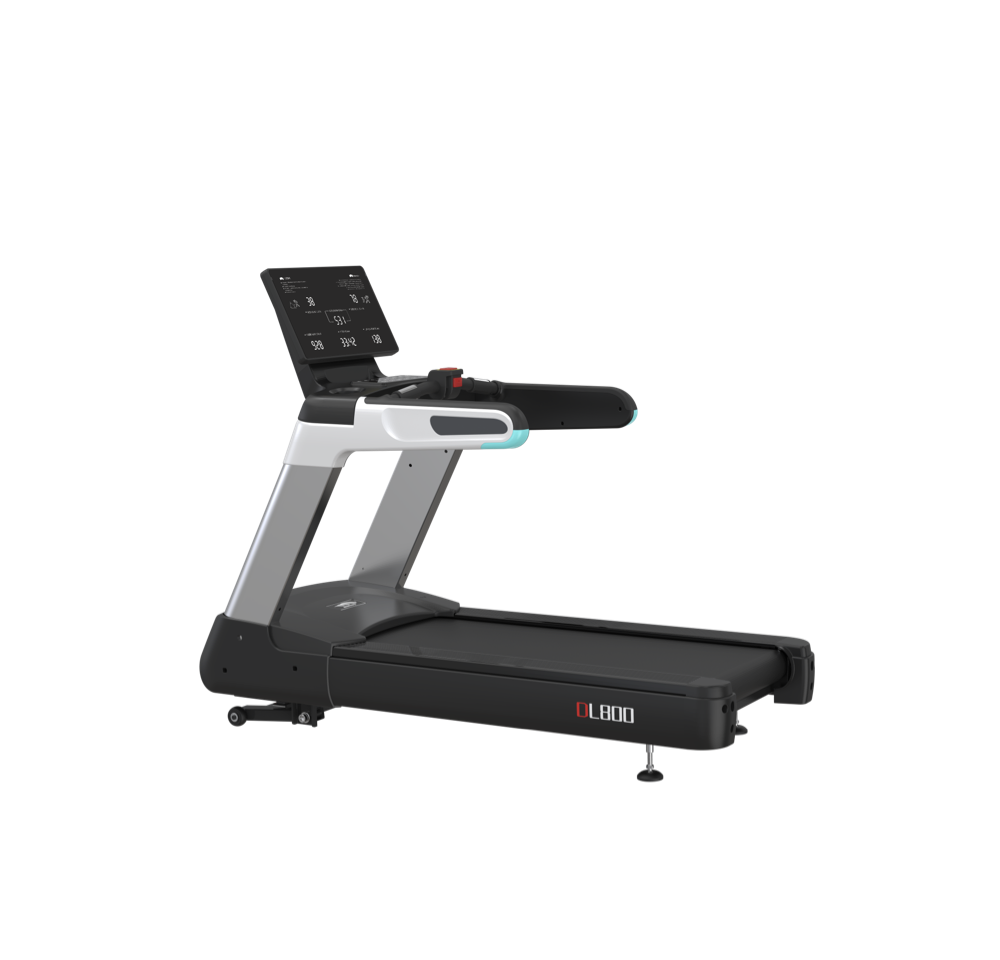
Equipment breakdown coverage is non-negotiable. A single DL800 Commercial Treadmill
Professional liability for trainers adds $500-$1,200 per year. If you offer personal training, budget for this.
- General liability: $1,500-$3,500/year
- Workers comp: $1,000-$3,000/year per employee
- Equipment breakdown: included or $300-$800 add-on
- Professional liability: $500-$1,200/year
Total insurance budget for a small gym: $3,500-$8,500 in year one. Don't skip it.
Equipment Procurement and Coverage
Your equipment is your single largest capital expense. It's also a major liability consideration.
Buy commercial-grade only. Residential equipment fails within 6-12 months under gym traffic. That's a safety hazard and a claims risk.
When you purchase, get a certificate of insurance from your supplier. If a machine fails due to manufacturing defect, you want recourse. MBH provides complete aftersales service and all equipment ships at ex-factory price with quality guarantees.
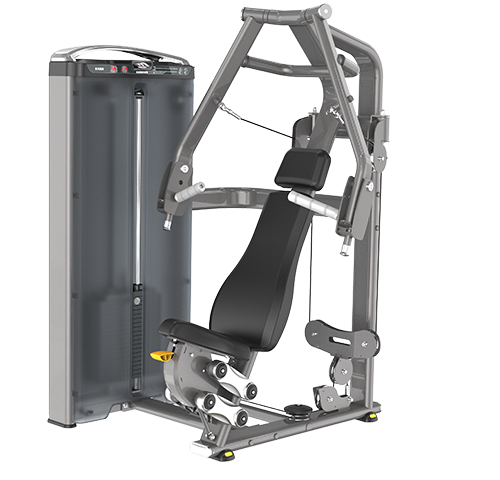
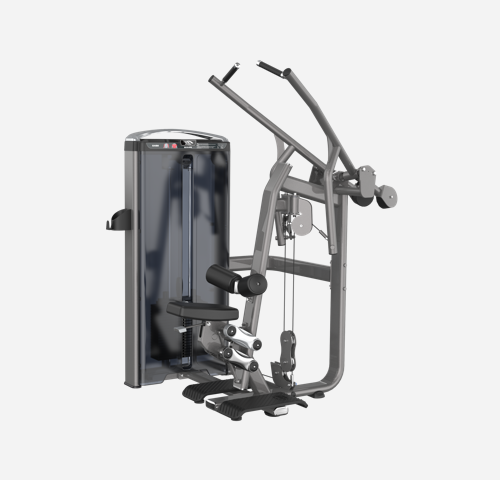
Essential machines for a starter gym include a MEL-001 Chest Press
For free weights, start with a ZH-021 Squat Rack, XHA-036 Flat Bench, and a set of dumbbells up to 80 lbs. That's enough for most beginner and intermediate lifters.
Cardio? Two M005-LED Commercial Treadmills and two M-7808U Upright Bikes handle 80% of cardio demand.
Insurance Checklist for Equipment
- Get replacement value coverage for all machines
- Keep serial numbers and purchase receipts
- Require supplier proof of product liability insurance
- Schedule regular maintenance to prevent breakdown claims
Staffing and Workers Comp Requirements
Hire right, and your insurance stays manageable.
Every employee needs workers' compensation. In most states, it's required even for part-time staff. Penalties for non-compliance can reach $1,000 per day.
Independent contractors are a gray area. Many gyms use trainers as 1099 contractors to avoid workers comp. But if they train clients on your floor under your brand, most states will reclassify them as employees. Plan for this.
Train your staff on liability protocols. They need to know proper spotting technique, emergency response, and equipment safety checks. A single preventable injury can raise your premium 20-40% at renewal.
- Verify workers comp covers ALL employees
- If using contractors, consult an employment attorney
- Create a safety training manual with quarterly drills
- Post emergency procedures and fire escape routes
Operations: Day-to-Day Insurance Management
Insurance isn't a one-time purchase. It's an ongoing process.
Review your policy every 12 months. If you add new equipment, your coverage limit may need to rise. Adding a XHA005 Cable Crossover or a PL-08 Multi-functional Smith Machine means more value at risk.
Keep incident logs for any accidents, even minor ones. A member trips on a dumbbell? Write it down. Patterns emerge, and insurers want to see you're managing risk proactively.
Post your liability waiver where every new member signs it. Worn waivers get challenged in court. Keep them fresh.
Operational Insurance Checklist
- Annual policy review with your broker
- Update coverage when adding machines or expanding
- Maintain a digital incident log
- Keep signed waivers for at least 3 years
- Review coverage limits if you hire more staff
Final Word for First-Time Gym Owners
Insurance isn't exciting. Neither is permitting or zoning. But they separate gyms that last from those that close within 18 months.
Budget 4-6% of your total startup costs for insurance. Buy commercial-grade equipment from suppliers who stand behind their products. Train your staff on safety protocols. Keep records of everything.
The gyms that survive year one do the boring work upfront. Then they focus on memberships, training quality, and building a community. Get your foundation right, and everything else gets easier.