

How To Finance Commercial Gym Equipment For Startup
How to Finance Commercial Gym Equipment for a Startup Gym
Opening a gym costs serious money. Equipment alone can run $50,000 to $200,000+ depending on your square footage and concept. Most startups don't have that kind of cash sitting around.
Here's the thing: your equipment financing strategy can make or break your business before you sell your first membership. Get it right, and you preserve capital for rent, payroll, and marketing. Get it wrong, and you're drowning in payments before month three.
Let's break down your options and what actually works for gym startups.
Know Your Number First
Before you talk to any lender, nail down your equipment list and total cost. Walk through your floor plan and count every piece.
A basic startup package might include:
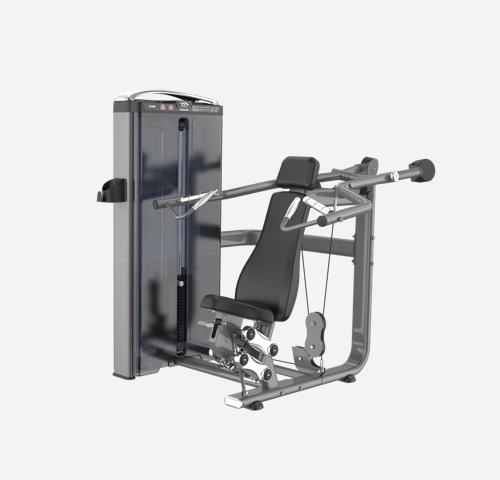
- 10-15 selectorized strength machines (like the MEL-012 Lat Pull Downand MEL-003 Shoulder Press
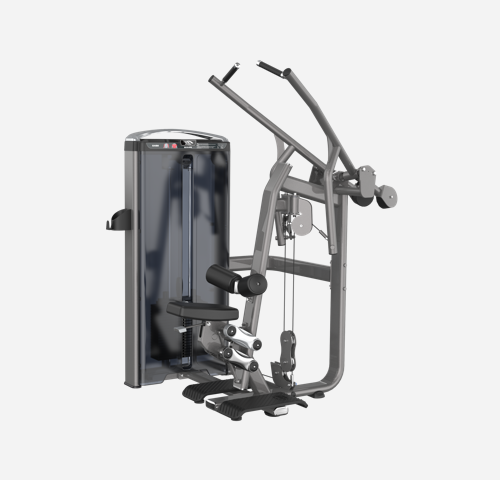 )
)
- 6-8 plate loaded machines (like the XHA005 Cable Crossover)
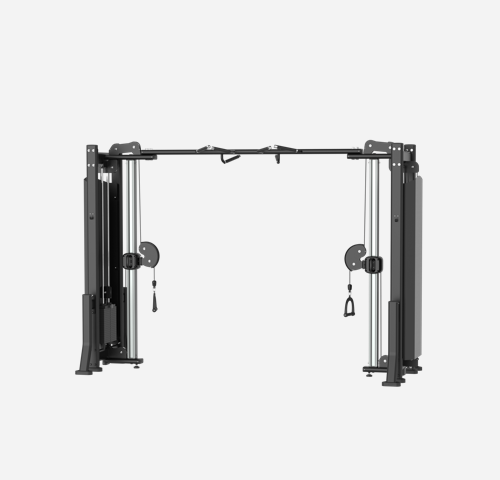
- 8-10 treadmills (like the DL800 Commercial Treadmill)
- Free weight benches and racks
- Dumbbells, barbells, and plates
- Storage and accessories
Get quotes from multiple suppliers. MBH offers ex-factory pricing with no middleman markup. That alone can cut your total equipment cost by 30-40% compared to buying through distributors.
Your Financing Options Compared
Equipment Leasing
Leasing is the most common route for startups. You pay monthly for 3-5 years, then either return the equipment or buy it for a residual value (usually $1 or 10%).
Pros: Lower monthly payments. Off-balance-sheet accounting. Easier to upgrade equipment.
Cons: You never own the equipment unless you buy it at the end. Total cost is higher than buying outright. Interest rates can run 8-18%.
Best for: Gyms that want to preserve cash and plan to refresh equipment every 3-5 years.
Equipment Financing (Loan)
You borrow the money, buy the equipment, and own it from day one. The equipment serves as collateral.
Pros: You build equity. Payments are typically lower than leasing for the same term. Tax benefits through depreciation.
Cons: Requires higher credit score (usually 650+). May need 10-20% down payment. Harder to qualify as a brand-new business.
Best for: Founders with decent personal credit who want to own their equipment long-term.
SBA Loans (7(a) Program)
The Small Business Administration guarantees loans through banks. Terms are better than most equipment financing options.
Pros: Rates around prime + 2-4%. Up to 25-year terms. Lower down payments (10% or less).
Cons: Application process takes 60-90 days. Lots of paperwork. Personal guarantee required. The bank wants to see your business plan and financial projections in detail.
Best for: Startups with a solid business plan and time to wait for approval.
Vendor Financing
Some equipment manufacturers offer in-house financing. This is less common for commercial equipment than it is for franchise deals.
Pros: Faster approval. Flexible terms. May require less documentation.
Cons: Rates can be higher. Limited to that vendor's equipment. Not available from all suppliers.
You won't find this option with every manufacturer. MBH keeps pricing lean by selling direct at ex-factory prices rather than bundling financing with markup.
Buying Direct (Ex-Factory Pricing)
This isn't financing, but it directly affects how much you need to borrow. When you buy direct from a manufacturer like MBH, you eliminate distributor margins. That means lower total cost.
A full gym package of MEL-001 Chest Press, MEL-002 Pec Fly, MEL-015 Leg Press, and M9900 Commercial Treadmill units at ex-factory prices means you borrow 30-40% less. That's smaller payments or shorter loan terms.
What Lenders Actually Look At
Lenders evaluate four things for startup gym financing:
- Personal credit score (minimum 650, ideally 700+)
- Business plan and financial projections
- Industry experience (your background in fitness)
- Cash injection (your own money in the deal, usually 10-20%)
No credit history? No problem if you have a strong business plan and a decent down payment. Some lenders specialize in first-time gym owners.
How to Structure Your Equipment Package for Financing
Lenders want to see that you've thought through your equipment choices. A random mix of machines doesn't inspire confidence.
Build a zone-by-zone plan. For example:
- Cardio zone: M005-LED Commercial Treadmill and M-8809EL Elliptical units
- Strength circuit: MEL-004 Seated Row, MEL-006 Biceps Curl, MEL-007 Triceps Press, and other MEL series units
- Free weight area: XHA-023A Weight Bench (Premium), ZH-021 Squat Rack, and XHA-030 Dumbbell Rack
- Functional training: ZH-005A Functional Trainer
A well-organized package shows the lender you know what you're doing. It also makes it easier to get a single quote for financing.
Our Recommendation for Startup Gym Owners
Here's the playbook we've seen work best for first-time gym operators:
Step 1: Get your equipment quote from a direct manufacturer. MBH's ex-factory pricing for a full commercial setup (cardio + selectorized + plate loaded + free weights) typically comes in 30-40% below distributor pricing.
Step 2: Put down as much cash as you can. 20% down means you finance less and qualify for better rates.
Step 3: Use equipment financing (not leasing) if your credit is solid. You own the equipment, and you get depreciation benefits. Terms of 3-5 years at 6-10% are realistic for qualified borrowers.
Step 4: If you need longer terms or lower payments, apply for an SBA 7(a) loan. The process takes longer, but rates are better and terms go up to 25 years for equipment.
Step 5: Avoid vendor financing with inflated prices. Some suppliers offer "0% financing" but build the interest into the equipment cost. That's a worse deal than a loan at 8% with honest pricing.
The Bottom Line
Don't let financing scare you away from opening your gym. The right equipment strategy combined with smart financing creates a manageable monthly payment.
Start with your equipment list. Get a real quote. Then shop for financing. MBH can help with the first part - ex-factory pricing on commercial-grade gear from treadmills to selectorized strength machines to plate loaded equipment.
Your equipment cost drives everything else. Lower cost means less to finance, smaller payments, and faster break-even. That's how startups survive year one.