

Why Work Directly With A Gym Equipment Manufacturer Instead Of A Trading Company?
The quote for gym equipment you get from a trading company looks similar to the one from the fitness equipment factory if you're outfitting a 20,000 sq ft commercial gym or replacing 40 machines in a chain. So why does it matter who's on the other end of the PO?
It matters more than most buyers realize. Here's the practical breakdown.
What a Trading Company Actually Does
A trading company sits between you and the factory. They source, mark up, and ship. That's the whole model.
They work fine for small orders of commodity items. For a full commercial buildout? You lose control over the parts that matter: customization, spec accuracy, after-sales support, and lead times.
Five Things You Only Get from the Factory
1. Real Spec Control
Ask a trading company about the main frame tube on a seated shoulder press and you'll get a vague answer. Ask the factory and you get exact numbers.
Take the LAS-10 Biceps
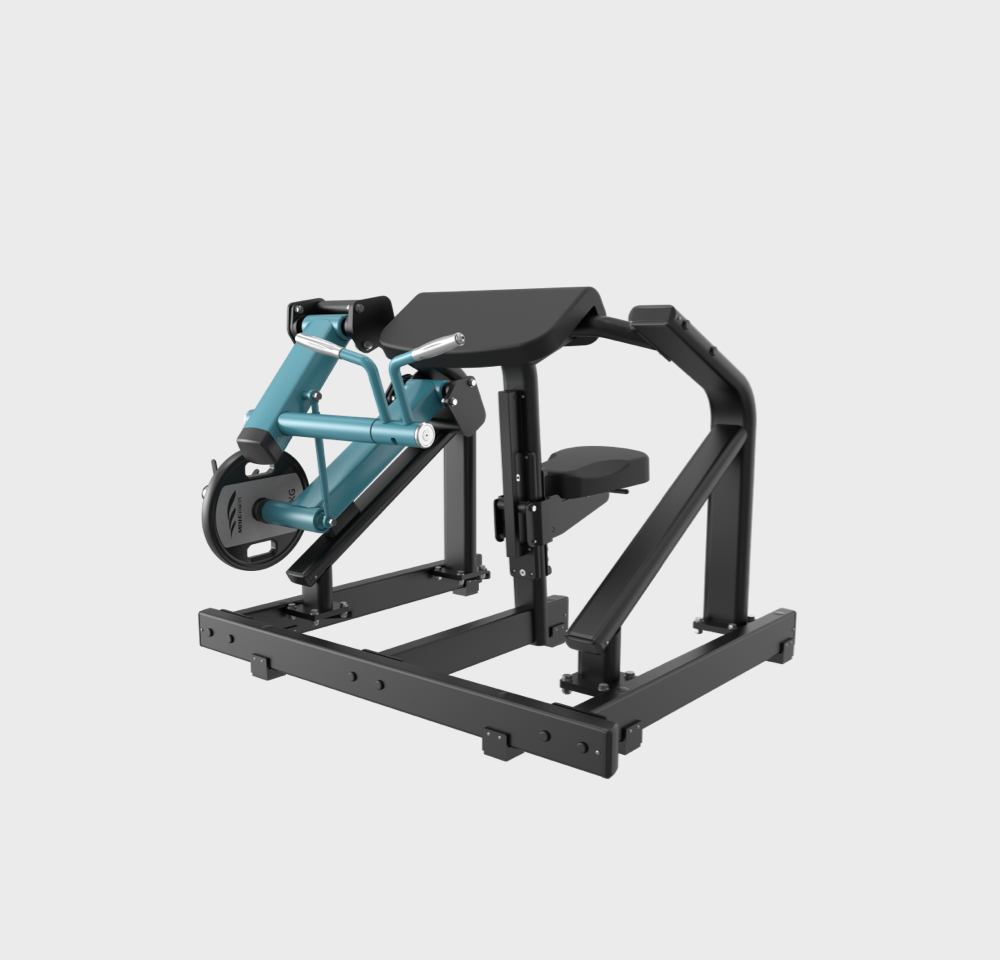
That same machine ships with a 10.1-inch touchscreen, face recognition and QR login, AI-generated training prescriptions, and a live leaderboard. No trading company can troubleshoot that software stack when it breaks in month three.
2. Customization and Full Layouts
Commercial buyers rarely want 6 identical machines. They want a layout that fits the floor.
Direct manufacturers build to layout. Consider the 16 Multi Station in an L-shape footprint — 10190×6240×2440 mm at 2025 kg, or the LY16 PRO at 7740×6850×2440 mm at 2047 kg. Both are multi-user commercial stations. Try getting that reconfigured through a middleman without a 12-week delay.
The Functional Training series goes even further — layouts ranging from 1250×1770×2415 mm up to 20475×8460×2960 mm, covering squat racks, pull-up bars, TRX anchors, climbing stations, dip stations, sandbag targets, and storage. Weight runs from 255 kg to 4800 kg depending on configuration. That level of variation requires direct engineering conversation.
3. Consistent Quality Across a Full Order
A trading company sources from whoever's cheapest that quarter. Your second order might come from a completely different factory with different welds and different powder coat.
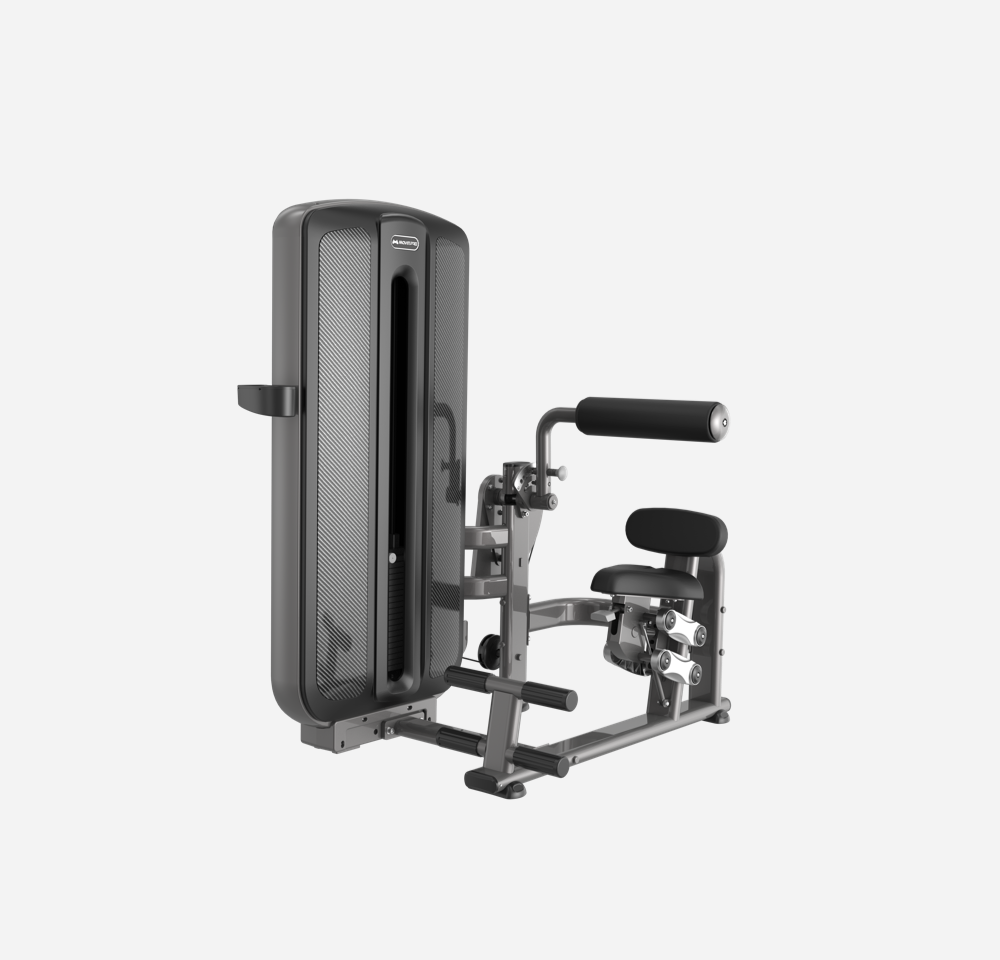
Buy direct and your MTMS-010 Abdominal Crunch
4. After-Sales That Actually Works
Something breaks. You need a part. A trading company forwards your email to the factory and waits. A manufacturer answers directly.
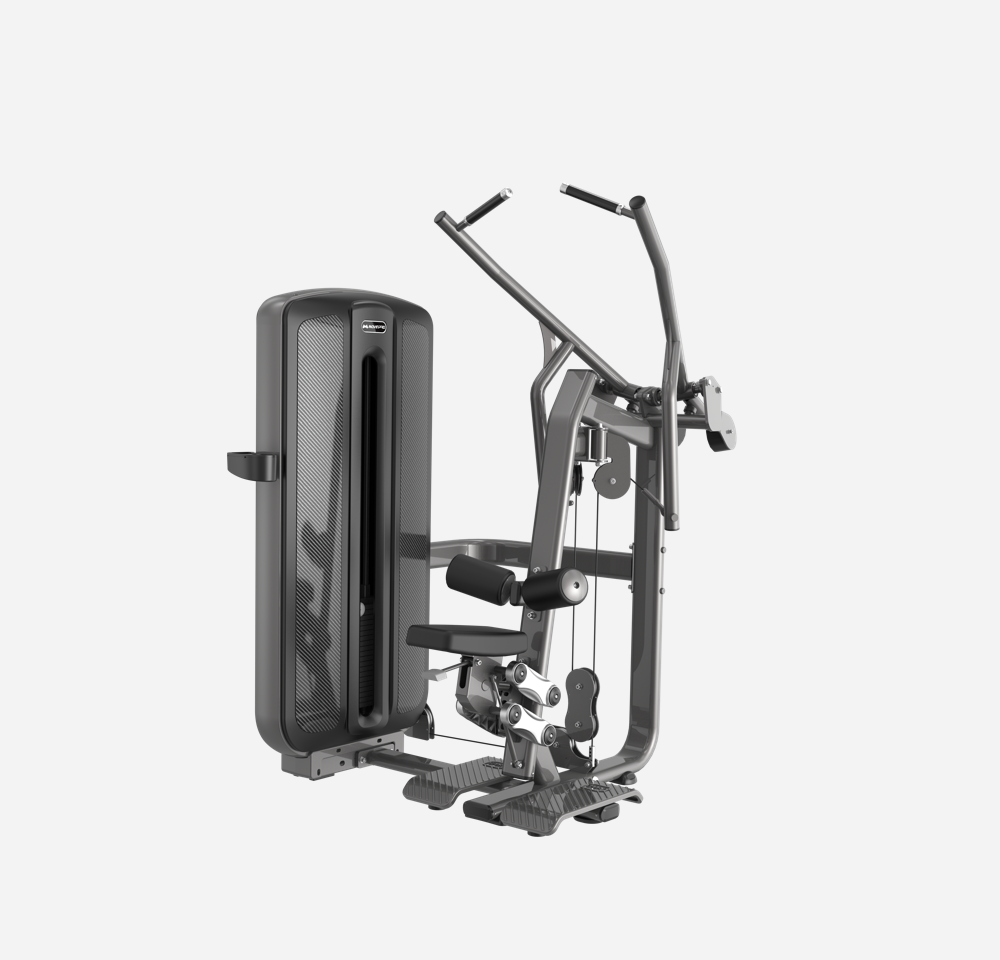
For connected equipment like the METTA5-17 Standing Abductor or the XMH-010 with its hydraulic adjustment, that gap matters. Software issues, weight stack calibration, touchscreen failures — the factory resolves them. The trading company guesses.
5. Better Value at Scale
Removing one margin layer isn't exotic. It just means more of your budget lands on steel and less on paperwork.
Combine that with factory-directed customization — 480 mm stride on the MH9000 elliptical, 185 kg max user weight, 500 W motor with self-powered option, 3 preset and 7 fixed programs — and you're specifying a complete facility, not assembling mismatched parts.
When a Trading Company Makes Sense
- Small accessory orders under 10 units
- You need one-off items from multiple brands
- You have no customization requirements
- You're testing a market before committing
For everything else such as full gym fit-outs, multi-site chains, connected equipment, or any project with a spec sheet etc., gym equipment manufacturer vs trading company, please go direct to the gym equipment manufacturer. You'll get better machines, better support, and fewer surprises on install day.