


Smart Inventory and Shipping Cost Management for Fitness Equipment Distribution Business
Freight is eating distributors alive right now. Ocean container rates have bounced around wildly since 2021, and every swing hits a fitness equipment distributor harder than most. Why? Because a standing abductor isn't a pair of sneakers. You're moving iron.
Let's talk about what's actually changing and how smart distributors are cutting inventory and shipping waste without starving their dealer network.
The Heavy Reality of Fitness Freight
Look at the numbers on the products you stock. A METTA5-17 Standing Abductor
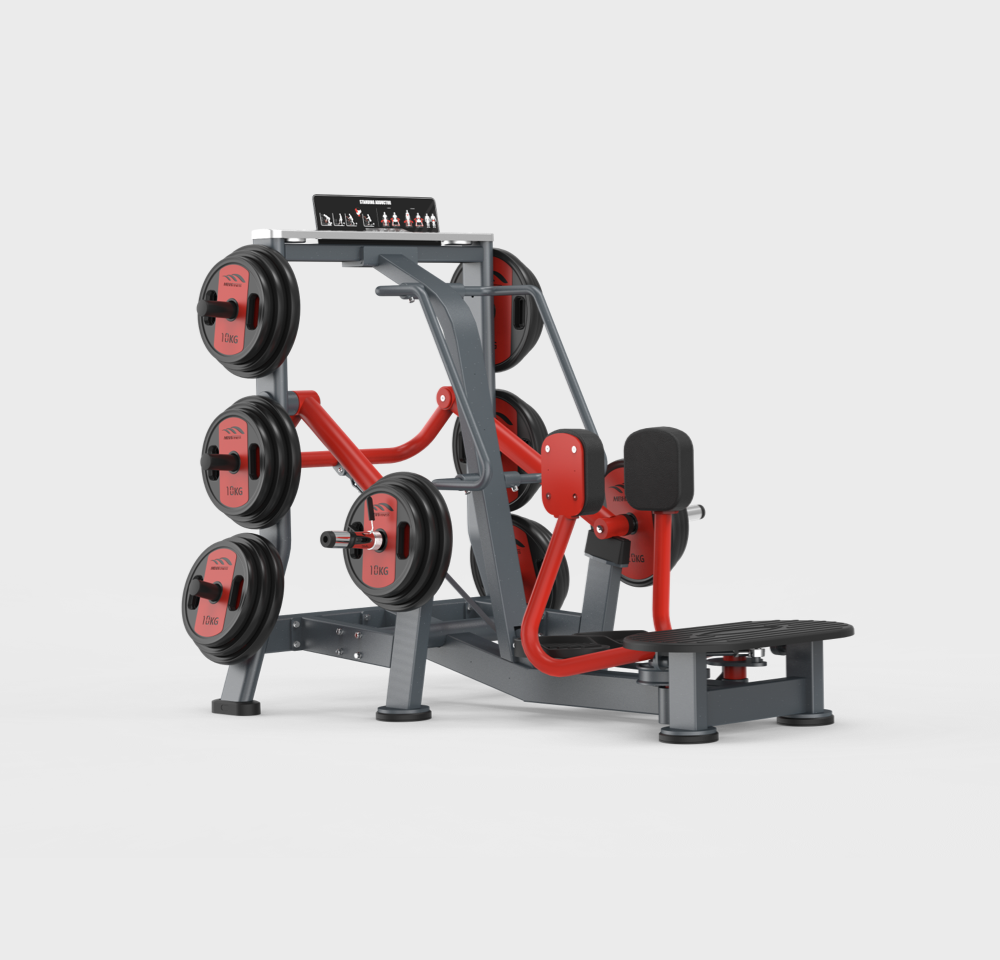

Every kilogram is a freight line item. Every cubic meter of packaging is dimensional weight you pay for whether you fill it or not. Distributors who still treat shipping as an afterthought are leaving margin on the dock.
Freight-Aware SKU Selection | Potential Trend
The smartest distributors are now choosing product mixes with freight math in the room. Plate-loaded lines like the XVS series (XVS-37 Standing Outer Thigh Adductor at 1200×1260×1550 mm and 85.5 kg) ship lighter than 210 kg selectorized units. The AMV-43 targets the iliotibial band and glutes with a footprint that's easier to stack in a container.
That doesn't mean abandoning premium units. It means balancing the book. High-ticket machines like the MTMS-016A Standing Leg Extension
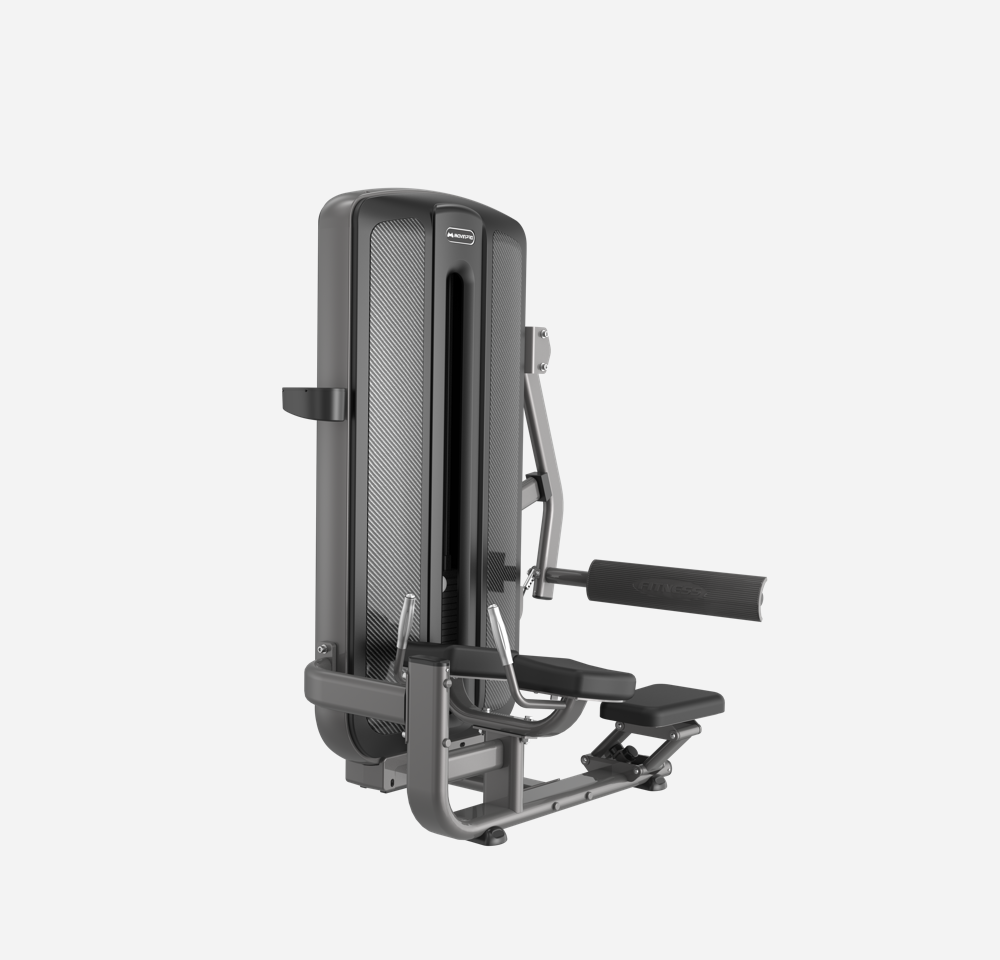
Container Loading as a Design Problem
Here's where suppliers matter. Ask your factory whether they optimize for container cube. A multi-station system like the XPH-201 spans 10490×2455×2435 mm at 1045 kg — that's a dedicated-load item, not something you toss in with 30 other units. The XPH-204 Multi-Station Training System at 1250×1770×2415 mm and 255 kg is friendlier for mixed loads.
Grouped layouts from the GYM LAYOUT SETS functional training range can run from 1250×1770×2415 mm all the way to 20475×8460×2960 mm. If you're quoting full gym fit-outs, build shipping estimates around the layout, not per-piece dims. The difference in LCL versus FCL planning here is thousands per shipment.
Fewer Models & Deeper Stock | Inventory
SKU proliferation is the silent margin killer. Ten variations of the same movement pattern means ten sets of slow-moving inventory, ten sets of spare parts, ten freight negotiations. Consider consolidating around proven movers: one or two standing leg extension options (XMDM-016A or MEL-016), one adductor, one abductor. The METTA5-17 and the MHL-010 Standing Abductor (1900×1530×1540 mm, plate-loaded) cover similar ground — carrying both may not pay.
Future Expectation
- Expect continued freight volatility. Build 15-20% freight contingency into landed-cost models.
- Nearshoring conversations will grow for bulky components; frames and weights stay offshore, but partial assembly may relocate.
- Distributors with freight analytics dashboards will win bids against those quoting from memory.
- Suppliers who publish cube and weight data upfront — like the XVS and METTA5 spec sheets — will win preferred-vendor status.
The distributors protecting margin in 2026 aren't the ones with the biggest warehouse. They're the ones who know exactly what every kilogram costs from factory floor to install day.