


How To Select The Right Gym Equipment For Different Customer Budgets
How to Select the Right Gym Equipment for Different Customer Budgets
Budget decides a lot in gym equipment business. But "cheap" and "expensive" don't tell you much. What matters is matching the machine to the fitness buyer whose business can be a home gym, a small studio, a full commercial floor or boutique gym. Each has different demands on durability, footprint, and adjustability
Here's how to think through the three tiers and which models actually fit, especially the key factors selecting commercial fitness equipment boutique gym.
Entry-Level | Tight Budget, Tight Space
These buyers want real function without paying for commercial-grade steel. They usually have 2–3 square meters and one or two goals. Focus on single-joint machines that solve one problem well.
- MTMS-011 Rotary Torso— compact, targets obliques and core rotation, low maintenance.
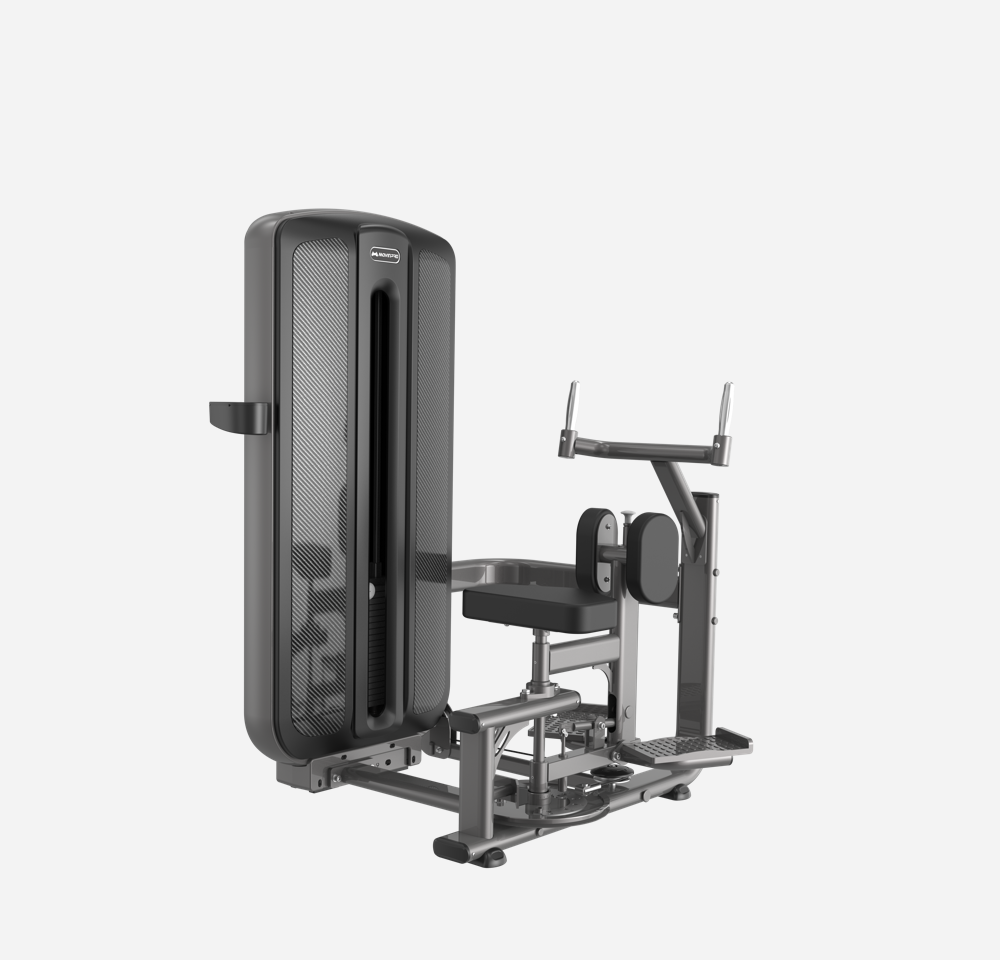 MTMS-011 Rotary Torso
- MEL-014 Leg Extension— isolates the quads, simple pad adjustment, ideal first lower-body machine.
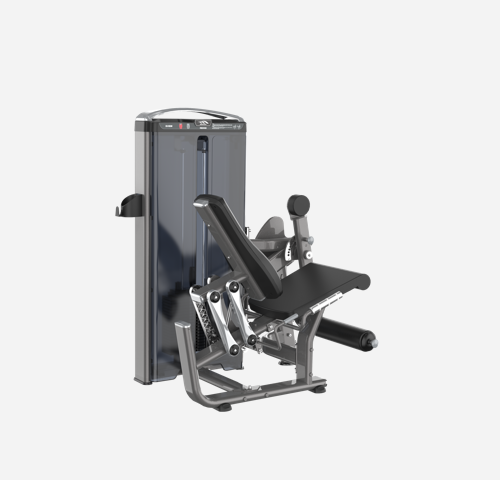 MEL-014 Leg Extension
- MEL-002 Pec Fly— works the pecs and front delts with a short learning curve.
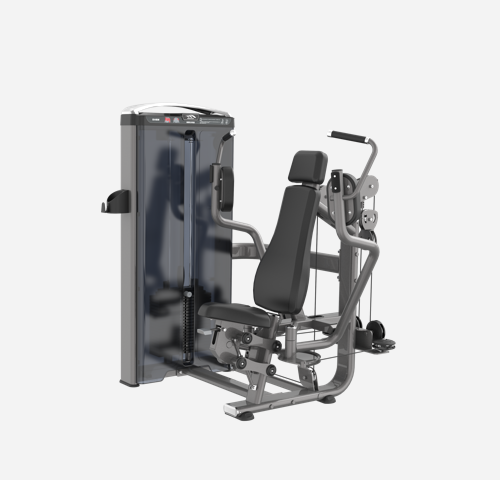 MEL-002 Pec Fly
- XMDM-010 Abdominal Crunch — core training in a small footprint.
What to watch for at this tier is to check weight stack increments and pad stitching. Cheap pads crack within 18 months in a busy room. Also confirm the max user weight — many entry machines cap around 120–150 kg, which rules out bigger clients.
Mid-Range | Growing Studio or Small Commercial Gym
At this level, throughput matters. You've got 30–80 members a day, and machines get hammered. You need better frames, smoother cams, and bigger stacks. This is where the XMDM and MTMS lines make sense.
- XMDM-012 Lat Pull Down — back and lats, essential for any pull day.
- XMDM-004 Seated Row — mid-back and biceps, pairs naturally with the pulldown.
- MTMS-015 Leg Press — quads and glutes, high-traffic workhorse.
- MTMS-008 Assisted Chin/Dip — lets beginners train pull-ups safely, big retention win.
- MTMS-01819 Adductor & Abductor — inner and outer thighs, popular with general fitness members.
- XMDM-016A Standing Leg Extension — isolated quad work with a different angle than seated versions.
- MEL-013 Horizontal Leg Curl — hamstrings, fills the gap between leg press and extension.
Two practical checks: oil/grease points per machine (fewer is easier to maintain) and cable wear. Ask for replacement cable lead times before you buy — a two-month wait will hurt.
Premium | Full Commercial Floor
High-volume gyms need machines that survive 16-hour days. That means heavier steel, bigger stacks, and tighter tolerances. The T8 Series is built for this — consistent 100 kg stacks and 150 kg max user weight across the line.
- T8-002A Pec Fly/Rear Delt — 100 kg stack, works pecs, traps, infraspinatus, and teres major. Dual function saves floor space.
- T8-004 Seated Row — 233.5 kg machine weight, targets delts, biceps, and pecs. 100 kg stack.
- T8-006 Biceps Curl — 80 kg stack, hits biceps and brachioradialis. Compact at 1345×955×1630 mm.
- T8-007 Triceps Press — 100 kg stack, 248 kg total weight. Built for constant use.
Don't overlook the frame finish. Powder coating thickness and weld quality separate premium units from mid-tier. Run a finger along a weld seam — if it's rough, the finish will chip fast.
Building the Right Mix
Whatever the budget, buy the gym equipment in this order can be one push, one pull, one lower-body and one core. Fill isolation gaps second. A gym with five chest machines and no row is a wasted floor.
And always test the adjustability yourself. If a 1.6 m member and a 1.9 m member can both set up in under 10 seconds, you've chosen well.