

How To Become A Fitness Equipment Distributor?
Breaking into fitness equipment distribution isn't complicated, but it's unforgiving if you skip the steps. Here are the questions new distributors ask most, answered straight.
What does a fitness equipment distributor actually do?
You sit between the fitness equipment manufacturer and the buyer — commercial gyms, hotels, schools, personal training studios, even home users with budget. Your job is sourcing, logistics, installation support, and after-sales service. Margins come from volume and repeat business. It is absolutely not one-off sales.
Most beginners start as the regional fitness equipment distributors for a manufacturer's line, then expand. Picking a supplier with range matters — one that covers selectorized, plate-loaded, and multi-station gear lets you quote an entire gym without juggling five vendors.
What product range should be carried first?
Start with the fitness machines every gym needs, then differentiate. A solid base:
- Selectorized strength — like the T8-004 Seated Row(1460×895×1630 mm, 100 kg weight stack, works delts, biceps, and pec).
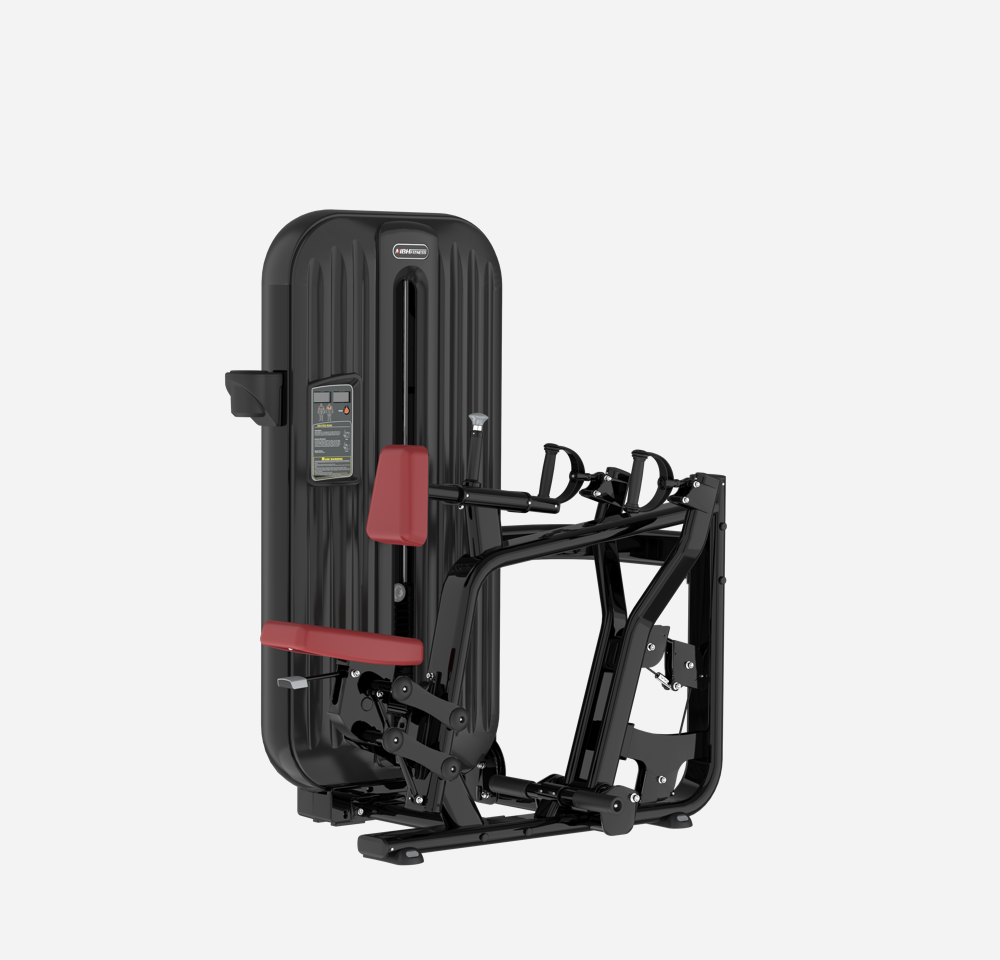 T8-004 Seated Row
 - Lower body — the T8-016A Horizontal Leg Extensionhits the rectus femoris and vastus muscles with an 80 kg stack.
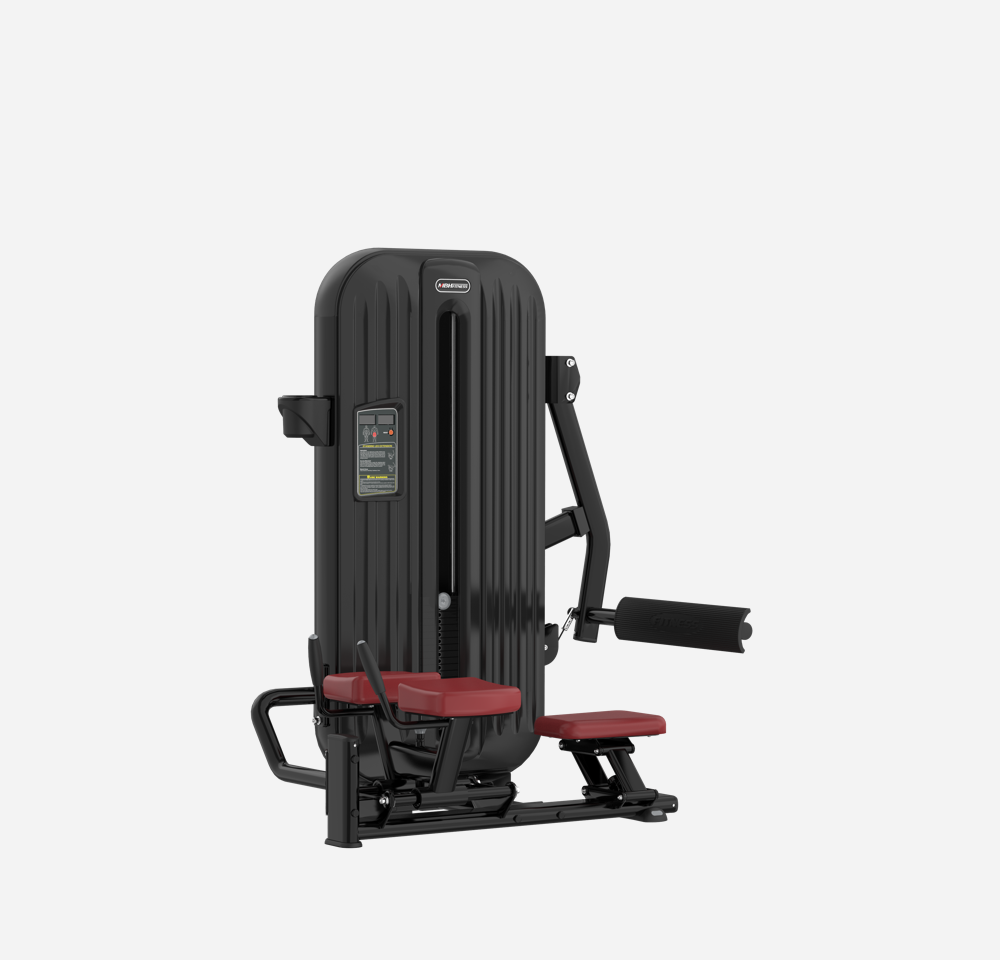 T8-016A Horizontal Leg Extension
 - Core and rotation — the MTMS-011 Rotary Torsoand XMDM-010 Abdominal Crunch cover obliques and abs.
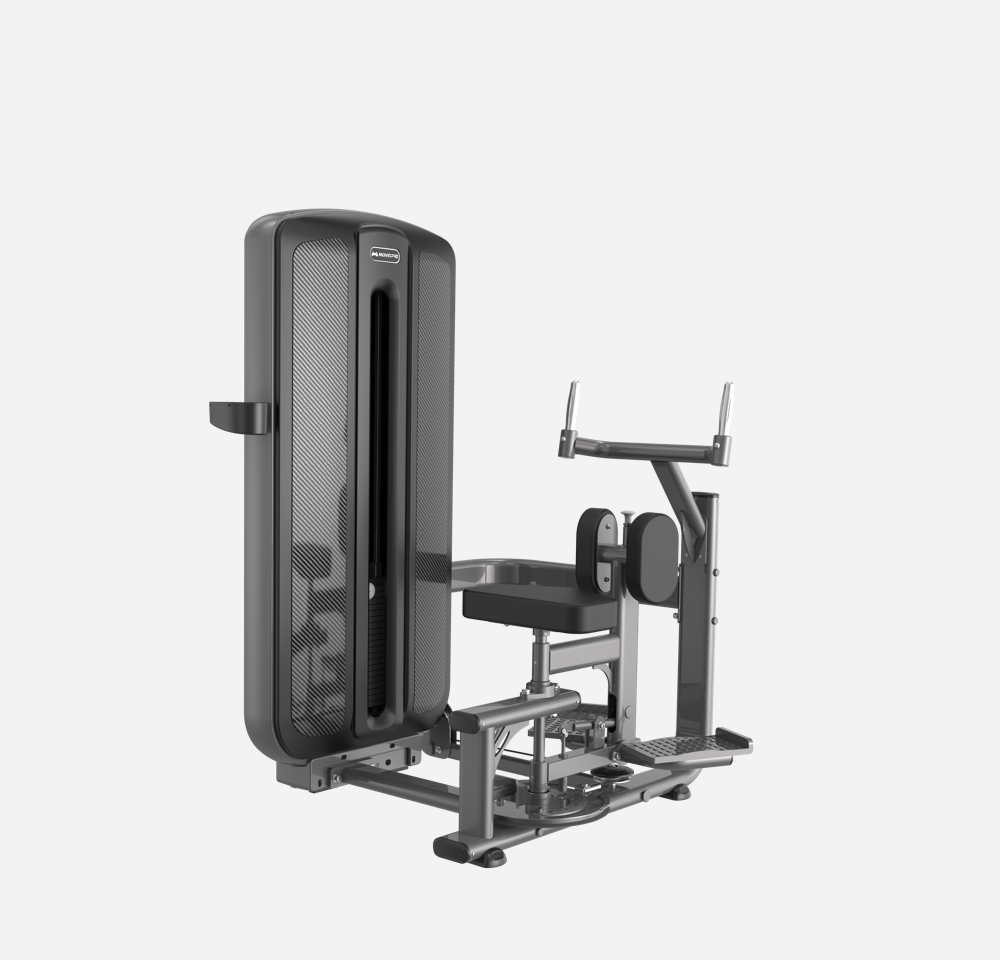 MTMS-011 Rotary Torso
Then add plate-loaded lines like the XAL Series (chest press, leg press, hip thrust, and more) for clients who want free-weight feel. For full facility builds, a multi-station rig such as the XPH-201 — with four squat racks, two Smith machines, eight pull-up stations, and TRX points — closes bigger deals fast.
How much space and capital should be needed?
Less than you think if you avoid stockpiling. Many fitness equipment distributors run a small showroom and order direct from the gym equipment factory per sale. Machines are heavy — the T8-017 Calf Extension alone is 185 kg, and the XPH-201 multi-station unit weighs 1045 kg. Budget for freight and installation crews, not just inventory.
Which suppliers should be approached?
Look for factories with a full catalog, consistent specs, and export experience. MBH Fitness, for example, covers T8, MCL, MEL, XMDM, XVS, and MTMS series, everything from a MEL-013A Horizontal Leg Curl to the METTA5-17 Standing Abductor. Please ask about the minimum order quantities, warranty terms, and whether spare parts ship separately.
What certifications and specs matter most?
Buyers ask two questions: is it safe, and does it fit? Know your specs cold. Quote the 100 kg weight stack on the XMDM-012 Lat Pull Down, the 150 kg max user weight on T8 units, and the steel gauge on plate-loaded gear. Certifications vary by market — EN 957 in Europe, ASTM in the US. Get documentation from your supplier before you promise anything.
How can the customers be found?
Three channels work:
- Direct outreach to gyms under construction or renovating.
- Partnerships with gym designers and general contractors.
- Tender bidding for hotels, schools, and municipalities.
You'll also want floor-plan support. Walking a buyer through a layout using the MEL-012A Seated Horizontal Pulley or MEL-016 Standing Leg Extension builds trust faster than any brochure.
What kills new distributors?
Underestimating after-sales. A MEL-009 Lower Back that breaks in month two and sits unfixed for six weeks ends the relationship. Stock common spares, train a service tech, and set response-time promises you can actually keep.
Start narrow, master your specs, and scale the catalog as your client list grows.
Just as it is mentioned above, a fitness equipment supplier such as MBH Fitness Equipment Factory with range matters which covers selectorized, plate-loaded, and multi-station gear lets you know the quote of an entire gym without juggling five vendors.