


The Complete Guide To Leg Curl Machines: How They Work And Why Every Gym Needs One
What Exactly Is a Leg Curl Machine and How Does It Work?
A leg curl machine isolates the posterior chain – specifically the hamstrings. Your members sit or lie down, hook their ankles under a padded lever, and curl the weight toward their glutes. The movement targets the knee flexion, forcing the hamstrings to do all the work.
It's that simple. But the biomechanics matter. A well-designed machine maintains constant tension through the entire range of motion. Cheap machines let the tension drop at the top or bottom. That's wasted effort.
What muscles does it target?
Primary mover is the hamstring complex (biceps femoris, semitendinosus, semimembranosus). You also get activation in the gastrocnemius (calf) as a synergist. This isn't a quad exercise. It's pure posterior chain isolation.
Most gym-goers skip direct hamstring work. A dedicated leg curl machine fixes that gap completely.
Lying vs. Seated Leg Curl: Which One Belongs on Your Floor?
This is the most common question we get from operators. The short answer? Both. But if you can only fit one, your decision depends on member demographics.
Lying Leg Curl (Prone)
The MEL-013 Horizontal Leg Curl
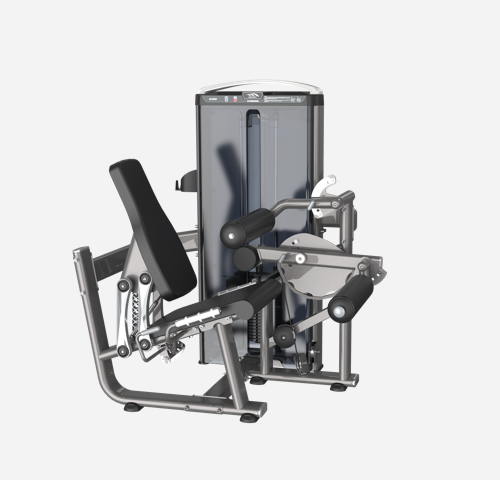
Seated Leg Curl
The MEL-013A Horizontal Leg Curl
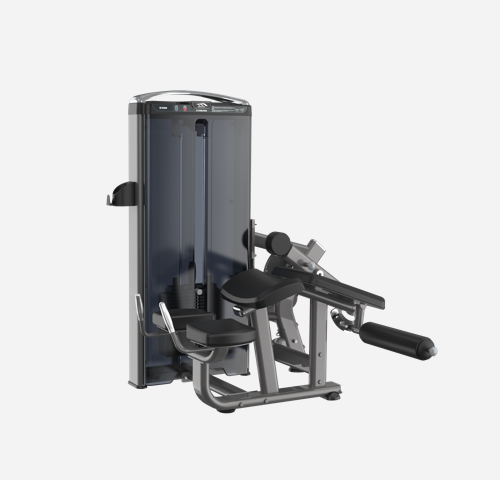
Our recommendation: place both in your leg circuit alongside the MEL-014 Leg Extension
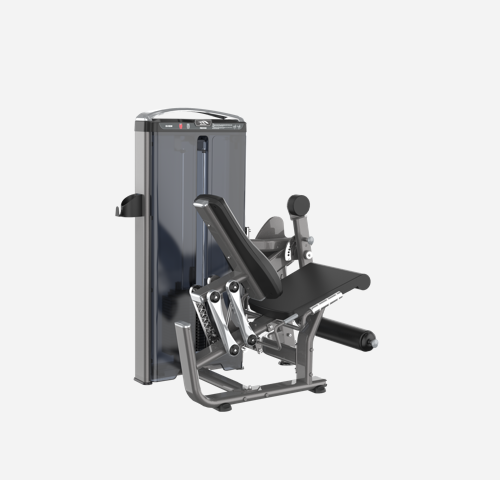
Why Every Gym Needs a Dedicated Leg Curl Machine
You can argue free weights cover everything. But try getting a beginner to properly perform a Romanian deadlift with perfect form. It takes weeks of coaching. A leg curl machine delivers instant hamstring engagement with almost zero learning curve.
- Injury prevention: Hamstring strains are the most common non-contact injury in sports. Stronger hamstrings reduce this risk by up to 60%.
- Muscle balance: Most members overdevelop their quads. Dedicated hamstring work prevents muscle imbalances that lead to knee pain.
- Progressive overload: Selectorized machines like the T8-013A Horizontal Leg Curl offer quick weight changes, making it easy for members to track and increase load consistently.
It's not just about bodybuilding. It's about providing a safe, effective tool for every member.
Selectorized vs. Plate-Loaded: What's the Difference for a Commercial Gym?
Selectorized (Weight Stack)
Best for high-traffic environments. Members simply pull a pin to change weight. It's fast, intuitive, and safe. The MEL-013A Horizontal Leg Curl is a perfect example. Smooth, quiet, and built for continuous use. Weight stacks typically range from 150-200 lbs, which covers 90% of your membership.
Plate-Loaded
Better for strength zones or boutique setups. Plate-loaded machines like the XMDM-013A Horizontal Leg Curl offer a different feel and allow for micro-loading. They take up slightly less footprint but require members to load their own plates. Generally, they handle heavier loads better than selectorized units.