


Seated Leg Curl Machine Buyer'S Guide: What Commercial Gym Owners Should Look For
What Makes a Seated Leg Curl Machine Commercial-Grade?
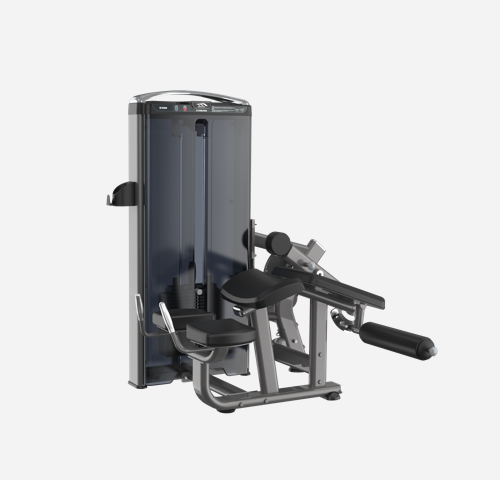
Frame construction is your first check. Look for 11-gauge or thicker steel – anything less won't hold up under heavy daily use. The MEL-013A Horizontal Leg Curl
How Do I Evaluate Padding and Ergonomics?
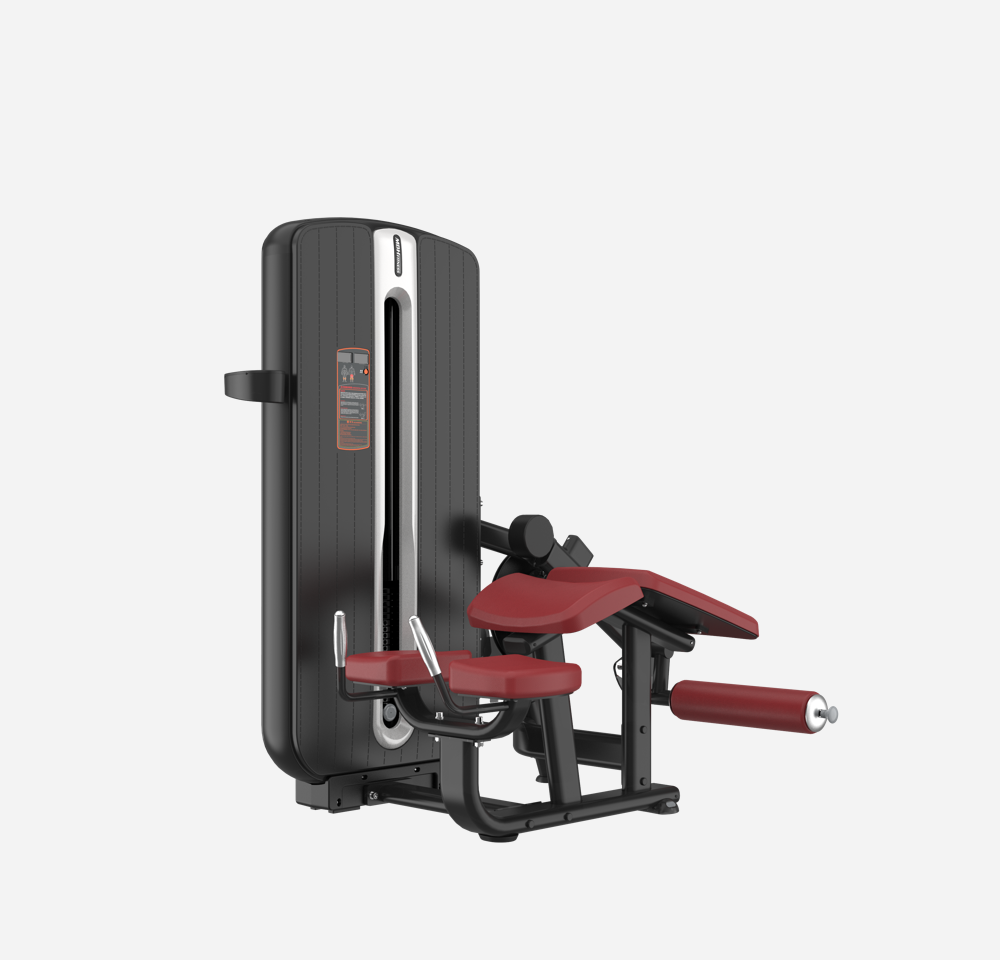
Member comfort directly impacts retention. The thigh pad must adjust vertically and horizontally. A fixed pad forces shorter or taller users into poor positions. The XMDM-013A Horizontal Leg Curl
What Weight Stack Capacity Is Enough?
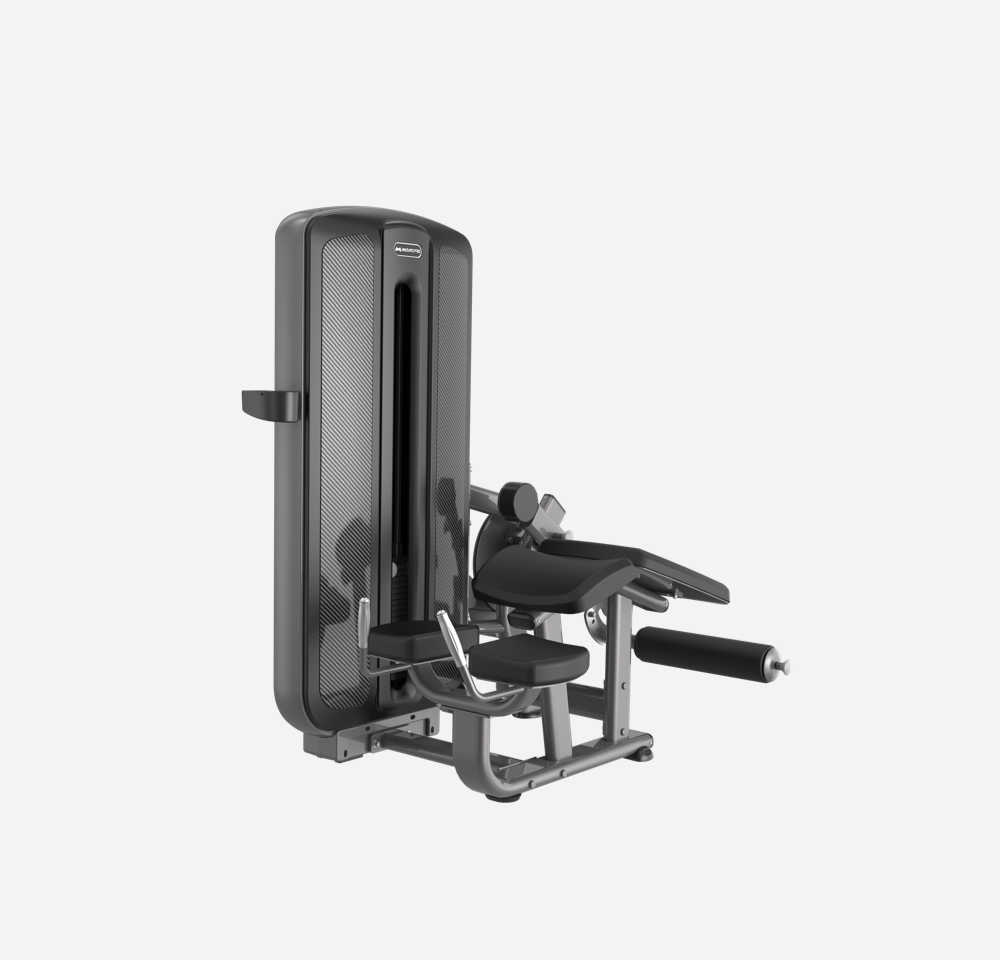
Standard commercial stacks range from 150 to 250 pounds. For a general population gym, 200 pounds covers 95% of users. But you need room for advanced lifters. The MTMS-013A Horizontal Leg Curl
Seated vs. Lying vs. Standing Leg Curl – Which One Belongs In My Gym?
Each has a place, but for commercial use, seated machines win on versatility and safety. Seated versions isolate the hamstrings better by stabilizing the hips. The AMV-03 Kneeling Leg Curl offers a unique hybrid option for targeting different angles. Lying leg curls are harder to set up correctly for novice users. Standing machines take up less floor space but limit weight capacity. If you can only buy one, go seated. If your budget allows, add a lying or kneeling variation. Most members will gravitate to the seated version for consistency and comfort.
What Maintenance Should I Expect?
Commercial leg curl machines need regular attention. Inspect the cable system every 90 days. Nylon-coated steel cables last 2-3 years under heavy use. The MET1-03 Kneeling Leg Curl uses high-tensile aircraft-grade cables standard. Sealed bearings reduce the need for lubrication – look for these over bushing-based pivot points. Weight stack guide rods need cleaning monthly to prevent friction wear. Upholstery replacement is inevitable every 3-5 years. Factor that into your total cost of ownership. Choose a supplier who offers replacement parts without minimum order requirements.
How Much Floor Space Does a Seated Leg Curl Require?
Measure carefully before ordering. A standard seated leg curl unit occupies roughly 60 by 45 inches of floor space. The MEL-013 Horizontal Leg Curl has a compact footprint at 58 by 42 inches, making it suitable for tighter floor plans. Allow 36 inches of clearance behind the machine for user access. Overhead clearance is rarely an issue – most machines are under 60 inches tall. Consider the layout of your leg training zone. Pair the leg curl with a leg extension nearby to create an efficient superset station.
What Should I Check for Adjustability and User Range?
The adjustment range determines who can use the machine effectively. The thigh pad should travel at least 6 inches vertically and 4 inches horizontally. The back pad needs 5-8 inches of fore-aft movement. Look at the start and finish positions – a machine that doesn't allow full knee extension at the bottom limits results. The MT2-03 Kneeling Leg Curl offers independent adjustment for each pad, accommodating users from 5'0" to 6'5". Ankle pads should rotate to follow the natural movement of the lower leg. Fixed pads create friction points.
What Warranty Coverage Should I Demand?
Frame: minimum 10 years, lifetime is better. Moving parts and pulleys: 5 years minimum. Cables and pads: 2 years. Labor: 1 year. Some OEMs offer extended coverage through certified installers. Verify the warranty terms before purchasing. Import brands may have different policies – the MBH lineup comes with warranty support through their B2B channel. Ask about upfront replacement part availability. Downtime costs you money. A supplier who stocks parts locally is worth a premium over one who ships from overseas.
Is the Seated Leg Curl Worth the Investment for a Commercial Gym?
Hamstring strength prevents injuries. Every serious leg day program includes leg curls. Members expect this machine. The average commercial leg curl sees 15-25 sets per day. That's high utilization. A well-built unit like the T8-013A Horizontal Leg Curl delivers ROI through member retention and minimal maintenance costs. Don't cut corners here. A cheap machine will cost more in repairs and member complaints than the savings at purchase. Buy commercial-grade, adjust properly, maintain regularly.