

How To Start A Gym In 2026: A Step-By-Step Business Guide For First-Time Owners
Starting a gym in 2026? I get that question at least twice a week from first-timers. Here's the thing — I've seen guys sink their life savings into a lease without checking if the floor can even hold a plate-loaded rack. In my experience, most people skip the boring stuff and jump straight to picking colors. We had a client last month who spent six months designing a logo but never ran an electricity load calculation. You don't want to be that person. So let's cut through the noise and talk about what actually matters.
What is the first step to opening a gym in 2026?
Start with a solid business plan. You need to define your target market – are you going after serious lifters, boutique fitness clients, or general population? Your location, pricing, and equipment mix all hinge on that decision.
Set a realistic budget covering lease, equipment, staffing, and a 6-month cash reserve. Many first-timers underestimate the time it takes to break even. Plan for 12 to 18 months before you see profit.
How do I choose the right location?
Look for high visibility, easy parking, and population density within a 3-mile radius. Check local zoning and building codes early – retrofitting a space for gym use can eat up 20% of your budget if you’re not careful.
Demographics matter. A neighborhood with median income above $60,000 and a high percentage of adults aged 25–44 is your sweet spot. Don’t just rely on foot traffic; analyze competitor presence and community need.
What equipment do I need for a full-service gym?
Balance is key. You’ll need cardio machines, selectorized strength, plate-loaded, free weights, and functional training zones. A good rule: 60% strength, 30% cardio, 10% stretching and core.
For strength, start with commercial-grade selectorized machines like the MEL-001 Chest Press
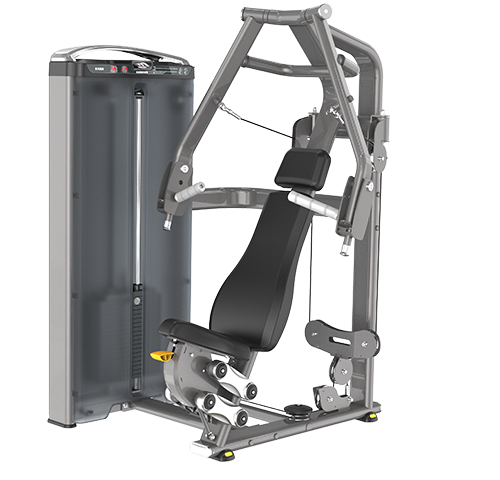
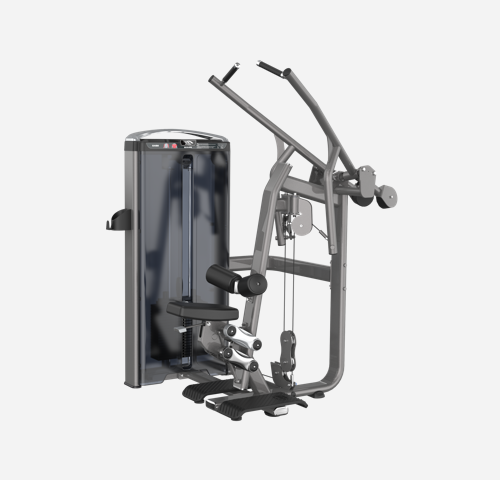
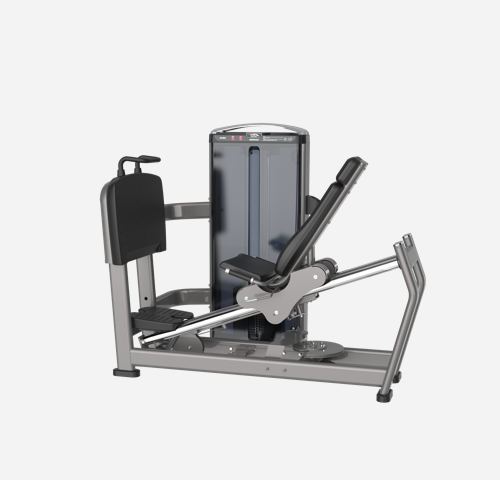
Don’t forget benches and racks. The XHA-023A Weight Bench (Premium) and ZH-021 Squat Rack cover compound lifts. Use XHA-030 Dumbbell Rack and XHA-039 Barbell Rack for free weight areas.
How many treadmills and bikes should I buy?
For a 2,000 sq ft gym, plan on 6–8 treadmills, 4–5 ellipticals, and 2–3 stationary bikes. The M9900 Commercial Treadmill offers durability for high-traffic use. Add an M-8809EL Elliptical and M-7808R Upright Bike to round out your cardio section.
Should I buy new or used equipment?
New commercial equipment gives you better warranty, reliability, and member experience. Used gear can save 30–40% upfront but often needs repairs faster – that cuts into margins. If you go new, work with a supplier that offers ex-factory pricing and complete after-sales support, like MBH. Their 380,000+ sq meter manufacturing base means direct-to-gym pricing without middlemen.
How much does gym equipment actually cost?
We don’t publish exact numbers because every gym’s needs are different. But here’s a ballpark: a full package for a 2,000–3,000 sq ft facility runs between $50,000 and $120,000 depending on the brands and quantity. The key is getting commercial-grade durability without overpaying for a logo. MBH’s products are designed for daily commercial use – high cost-effectiveness and strong after-sales.
What about specialty and plate-loaded machines?
Plate-loaded equipment is cheaper than selectorized and gives members more feel. Include a MEL-009 Lower Back for posterior chain work and an XHA-031 Deadlift Machine for serious lifters. The MEL-004 Seated Row and MEL-002 Pec Fly cover back and chest isolation.
Don’t overlook functional training. A ZH-005A Functional Trainer is popular for cable-based movements and small group training.
What legal and insurance hurdles do I face?
You need a business license, liability insurance (typically $2–5 million coverage), and waivers for all members. Check if your state requires a health club registration bond. Also, get an occupational safety plan – OSHA guidelines apply to gyms too.
How do I attract and keep members in 2026?
Tech matters. Offer an app for booking classes, tracking workouts, and managing payments. Invest in clean, well-maintained equipment – members notice when a machine squeaks or a bench is worn. Train your staff to be approachable and knowledgeable.
Focus on community. Host monthly challenges, partner with local businesses, and keep your pricing transparent. Word-of-mouth from satisfied members is your strongest marketing tool.
What’s the biggest mistake first-time owners make?
Underestimating maintenance and replacement costs. Commercial machines last 5–10 years with proper care, but you should budget 3–5% of equipment cost annually for repairs. Also, don’t overbuy – start with a core lineup and add pieces as you see which zones members use most.
Another mistake: ignoring the importance of after-sales service. A supplier that doesn’t respond when a machine breaks will hurt your reputation. MBH provides complete after-sales service – that’s a non-negotiable when you’re starting out.
Can I start a boutique gym instead of a full-size facility?
Yes, boutique gyms (e.g., HIIT, Pilates, or strength-focused) require less square footage and lower equipment investment. You can focus on a few key pieces like a ZH-005B Adjustable Functional Trainer or ZH-020 Smith Machine. The trade-off is a smaller member base and higher per-class costs.
Either way, plan your equipment layout carefully. Keep 3–4 feet between machines, allow clear walkways, and ensure proper ventilation.
What trends should I watch for in 2026?
Hybrid training – members want both strength and cardio in one session. Machines like the AMV-28 Chest Press and Lat Pulldown combine multiple functions. Also, recovery zones are growing in demand – foam rollers, stretching areas, and even cold plunge pools are becoming standard.
Sustainability is a differentiator. Equipment made with recyclable materials and energy-efficient treadmills appeal to eco-conscious gym-goers.
Where can I source commercial-grade equipment at factory prices?
MBH is a Chinese top fitness brand serving clubs and gyms globally. They offer ex-factory pricing on commercial-quality gear, from treadmills to selectorized strength machines. Their 380,000+ square meter innovation base supports in-house R&D and consistent quality. You get high cost-effectiveness with complete after-sales support – exactly what first-time owners need.