


The Truth About Chinese Fitness Equipment Quality: What Buyers Need To Know
You've heard the stereotypes. Chinese equipment is cheap, breaks quickly, and lacks the feel of Western brands. Like most generalizations, that picture is incomplete.
The reality is more nuanced. China now produces everything from budget home gym gear to commercial-grade machines that rival top European and American brands. The key is knowing what separates the tiers.
Three Tiers of Chinese Manufacturing
Budget Consumer Grade
This is what most people picture. Thin gauge steel, plastic bushings, lightweight frames. These machines work fine for a home user doing 3-4 sessions per week but won't survive a commercial setting.
Pros: Lowest upfront cost. Acceptable for light use. Easy to find on marketplaces.
Cons: Short lifespan. Wobbly under heavy loads. Cable systems fail within 6-12 months. No real after-sales support.
Mid-Range Commercial
Better steel (2-3mm wall thickness), improved welds, and upgraded cable systems. Some brands in this range have improved dramatically over the past 5 years.
Pros: Decent value for budget-conscious operators. 40-60% cheaper than premium Western brands. Bearable for boutique studios.
Cons: Inconsistent quality control. Pads wear faster. Weight stacks can jam over time. Warranty support varies by factory.
Premium Commercial
This is where brands like MBH operate. These manufacturers use 3-4mm steel, sealed bearings, commercial-grade cables, and high-density foam. They design for 8-10 hours of daily use across multiple users.
Pros: Ex-factory pricing means 30-50% less than comparable Western equipment. Full after-sales service. Warranty coverage that matches industry standards. Customizable upholstery and colors.
Cons: Less brand recognition in Western markets. Freight costs eat into savings. Some buyers still face internal resistance from stakeholders who prefer legacy brands.
What Actually Matters for Quality
Steel Thickness and Welding
Premium Chinese manufacturers use the same imported steel suppliers as top Western brands. A machine like the MEL-001Chest Press
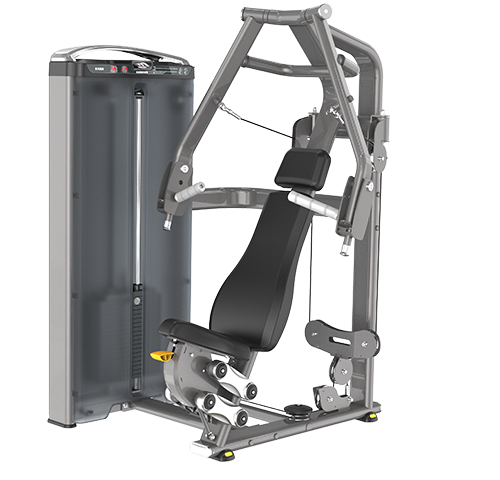
The difference shows in weight capacity. Budget units max out around 500 lbs. MBH's selectorized line handles 700-800 lbs consistently.
Cable and Pulley Systems
Cables fail first on cheap machines. Budget units use nylon-coated steel cables that fray within months. Premium Chinese equipment uses the same 7x19 galvanized aircraft cable found in premium brands.
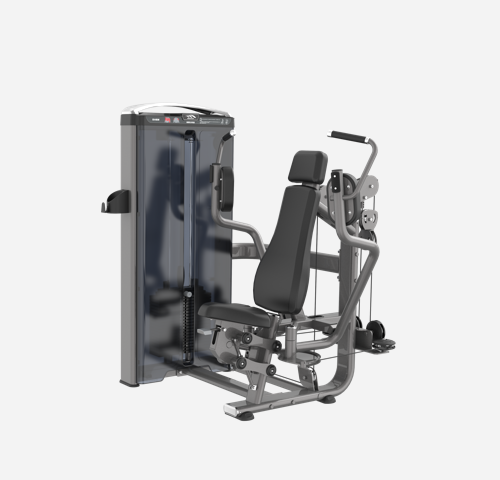
The MEL-002 Pec Fly
Weight Stack Quality
Selectorized machines live and die by their weight stacks. Premium manufacturers use cast iron plates with precision-machined guide rods. The MEL-012 Lat Pull Down
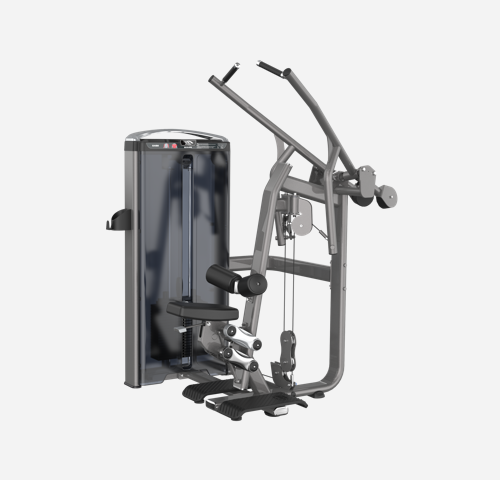
Budget units use lower-quality castings that can develop burrs over time, causing the stack to catch during movement.
Price Comparison: Real Numbers
A premium Chinese chest press like the MEL-001A Chest Press typically runs 35-45% below equivalent units from Life Fitness or Precor. The MEL-015 Leg Press comes in around 40% less than Hammer Strength's version.
Savings come from the direct-to-buyer model (ex-factory pricing) rather than cheaper materials or labor alone.
The After-Sales Question
This is the biggest concern for operators. What happens when something breaks?
Chinese manufacturers like MBH have invested heavily in after-sales infrastructure. They stock commonly replaced parts (cables, pulleys, pads) in regional warehouses. Response times now average 24-48 hours for warranty claims.
The XHA005 Cable Crossover and other cable-driven machines come with a 5-year warranty on cables and a 10-year warranty on the frame. That matches or exceeds most Western brands.
What About Cardio Equipment?
Chinese cardio has improved fastest. The M005-LED Commercial Treadmill uses a 3.0 HP continuous-duty motor with a 22"x60" running surface. Compare that to similar treadmill from major brands at 40% less cost.
Ellipticals like the M-8809EL Elliptical use the same magnetic resistance systems found in Sole or Spirit machines. The electronics may have fewer features, but the mechanical components are on par.
How to Vet a Chinese Supplier
- Ask for material certifications (steel grade, cable specifications)
- Request third-party testing reports or factory audits
- Check warranty terms specifically for cables, bearings, and frames
- Ask about parts availability and average response times
- Visit the factory if possible — MBH's 380,000 square meter facility in China is open for buyer inspections
- Get references from other commercial operators using their equipment
The Bottom Line
Chinese fitness equipment quality isn't one thing. It ranges from disposable home gear to commercial-grade machines that compete with any Western brand.
For operators building new facilities or replacing old equipment, premium Chinese brands like MBH offer genuine value — not just lower prices, but comparable quality backed by real warranties. The trick is knowing which tier you're buying.
Next time you hear "Chinese equipment is junk," ask which Chinese equipment they're talking about. The answer makes all the difference.